


Share your love
Triumph Trident 660 in South Africa: How It Rides and What Owners Say
The 2026 Triumph Trident 660 costs R180,000 in South Africa. How the 94 hp triple rides, what owners love and hate, and how it copes with our roads and heat.
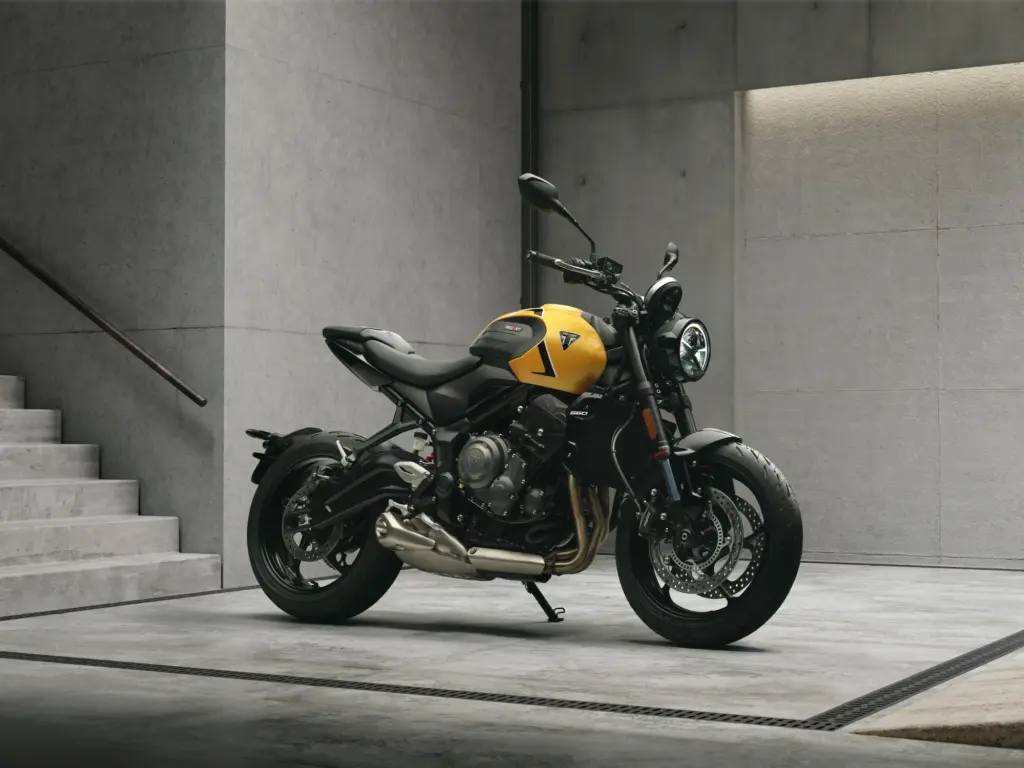
When Triumph launched the Trident 660 in 2021, it was the cheapest way into a Triumph triple and a deliberate shot at the bikes that sell in big numbers: affordable, friendly middleweight nakeds. It worked. Triumph says the Trident has brought more women riders to the brand than any other model in its range.
For 2026, the Trident has had the biggest update of its life. The engine now makes 94 hp (70 kW) instead of 80 hp and revs 2,400 rpm higher, and the chassis has been revised to match. In South Africa it costs R180,000.
We wanted to know more than the brochure tells you. So, alongside Triumph South Africa’s own figures, we read the international road tests of the new bike, owner reports from three continents and one South African rider’s account of a weekend on a Trident. Then we asked the questions that matter here: how does it cope with our heat, our potholes, our altitude and our distances, and what can you actually buy instead?
Triumph Trident 660 at a glance
| Price in South Africa | From R180,000 in Snowdonia White; Cosmic Yellow or Stone Grey add R4,000 (Triumph South Africa, October 2026) |
| Engine | 660 cc liquid-cooled inline triple, 12 valves, DOHC |
| Power and torque | 94 hp (70 kW) at 11,250 rpm, 68 Nm at 8,250 rpm |
| Gearbox | Six-speed with slip-and-assist clutch and two-way quickshifter |
| Rider aids | Sport, Road and Rain modes; cornering ABS and traction control; cruise control |
| Suspension | Showa 41 mm upside-down fork (not adjustable), Showa shock adjustable for preload and rebound |
| Brakes | Twin 310 mm front discs with two-piston calipers, 255 mm rear disc |
| Seat height | 810 mm |
| Weight | 195 kg wet |
| Fuel tank | 14 litres (claimed 4.9 litres per 100 km) |
| Warranty and service | Two years, unlimited mileage; service every 12 months or 16,000 km |
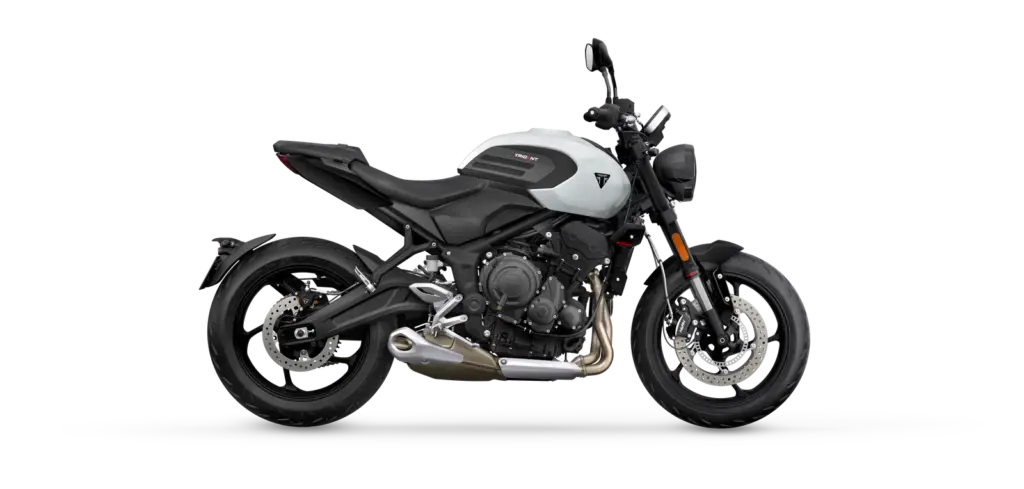
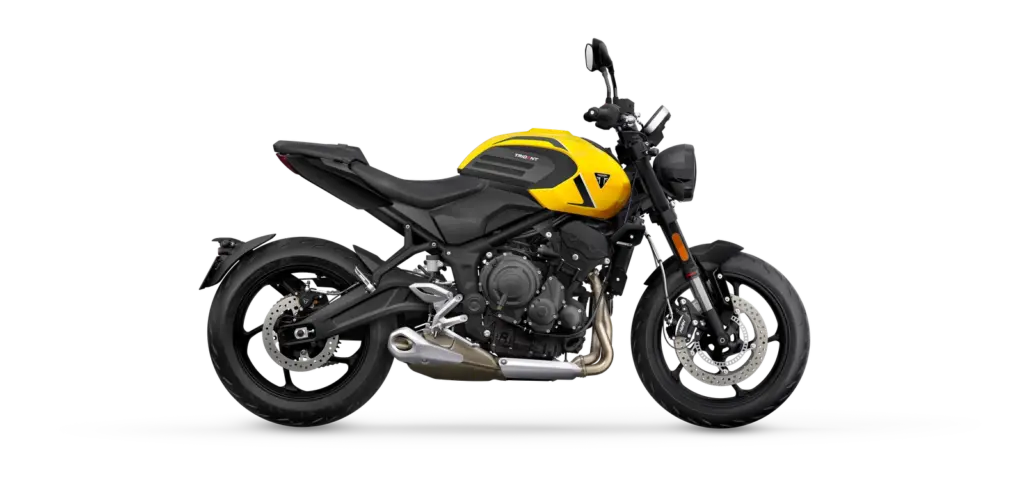
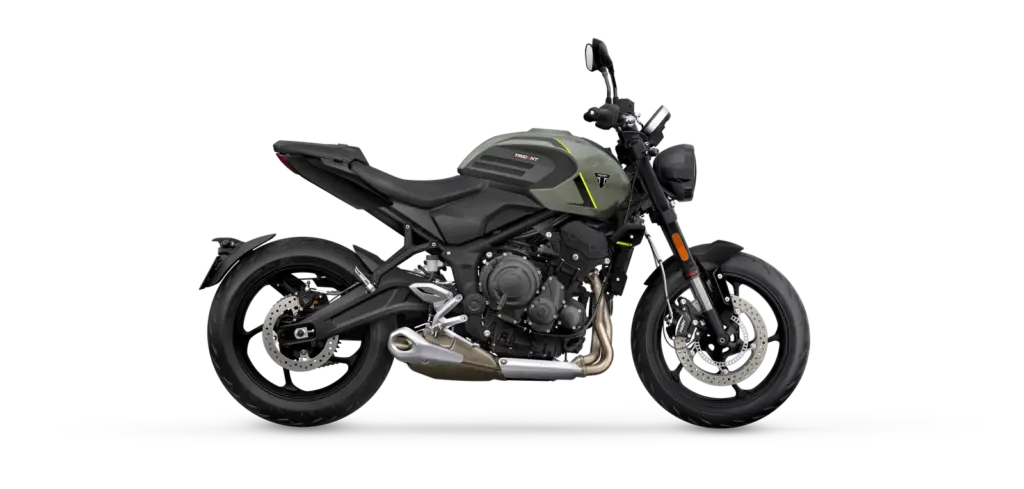
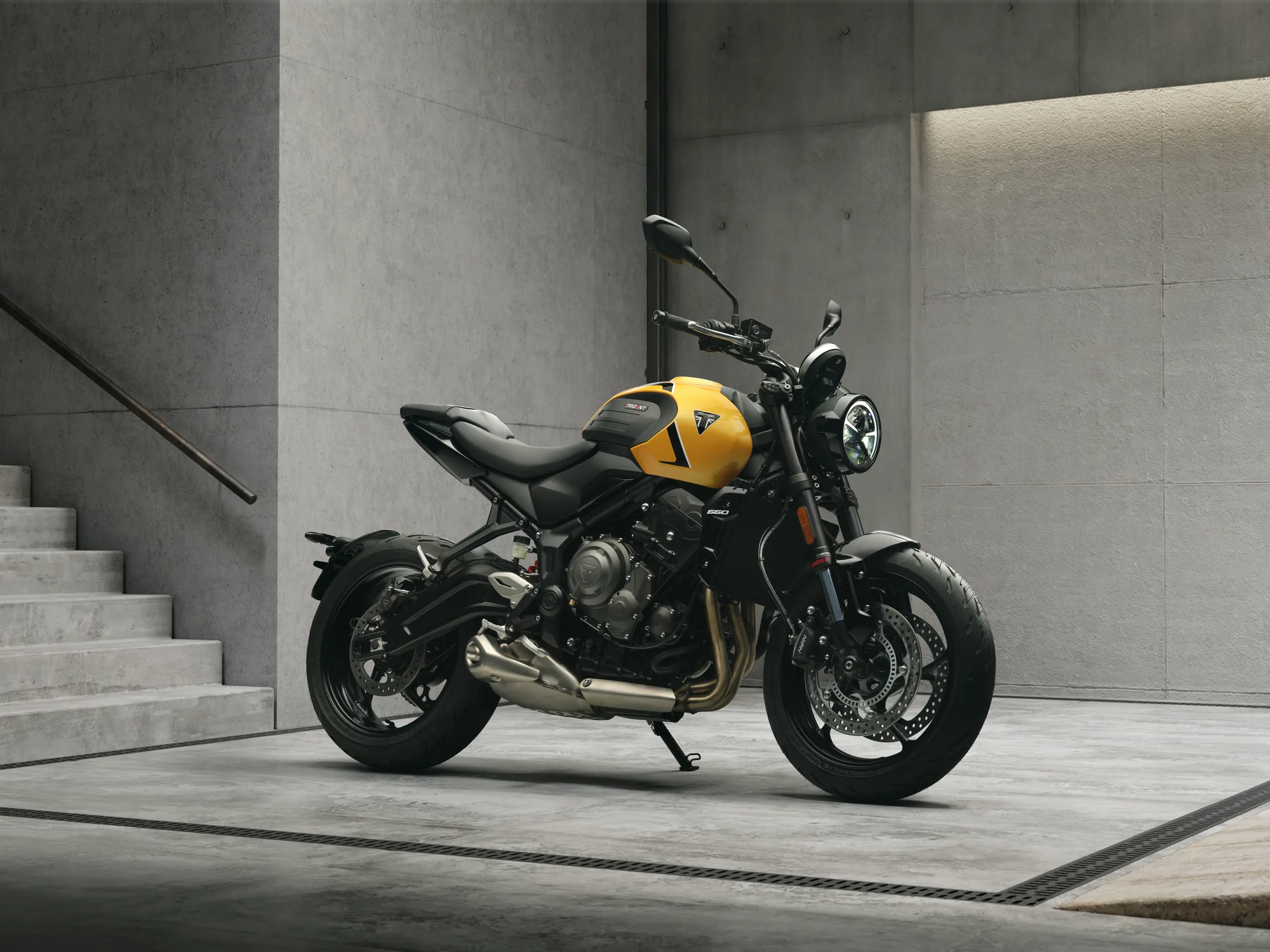
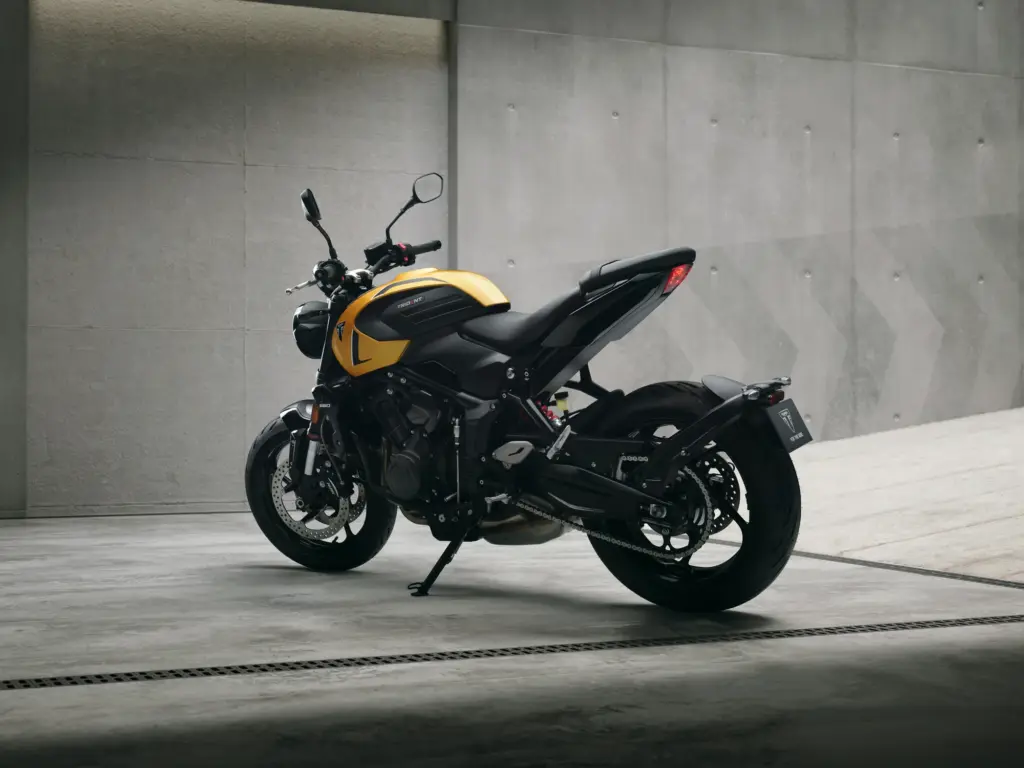
The three colours and their South African prices. Image: Triumph Motorcycles
What changed for 2026
The headline is the engine. The Trident’s 660 cc triple has always traced its family tree back to the original Street Triple, and for 2026 it gets the treatment Triumph first gave the Daytona 660. A single throttle body has become three, one per cylinder, breathing through a bigger airbox. The cylinder head has larger exhaust valves and higher-lift cams, the radiator is bigger, and the redline has gone from 10,250 to 12,650 rpm. Power rises by 14 hp to 94 hp, and Triumph says 80% of peak torque is available from 3,000 rpm to almost 12,000.
The gearbox has new ratios and a taller first gear, and the quickshifter, which works on both up and down changes, is standard. So are cornering ABS and traction control, which use a six-axis IMU and arrived on the Trident in 2025. Cruise control and Bluetooth connectivity, for turn-by-turn navigation, music and calls, are standard too.
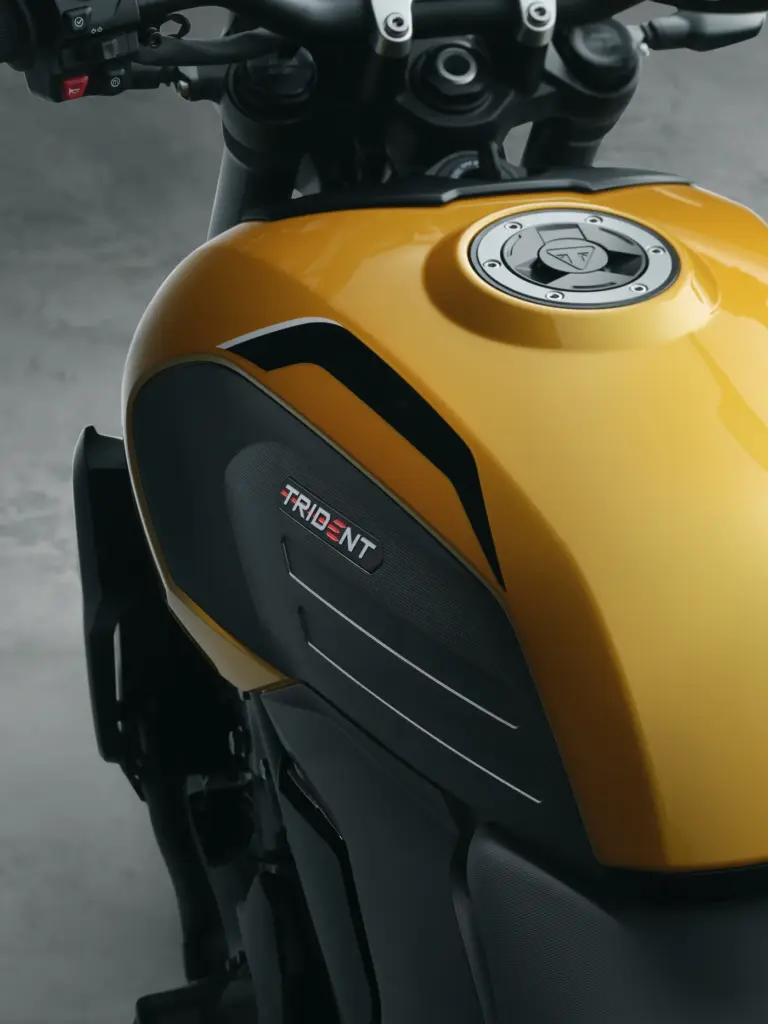
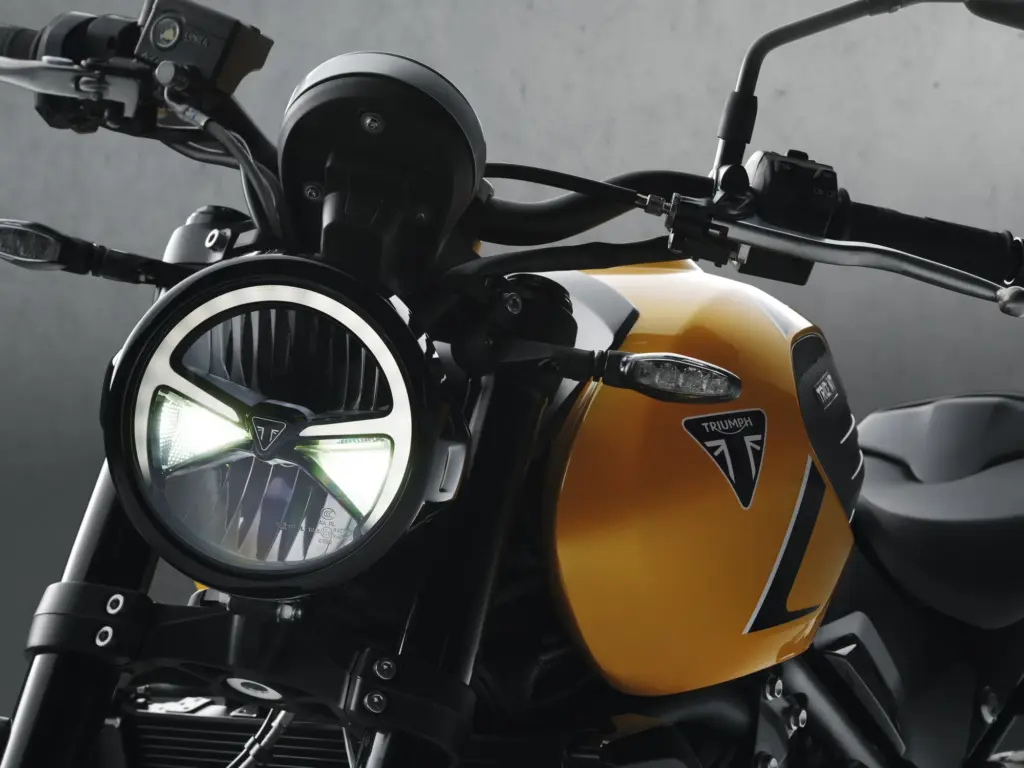
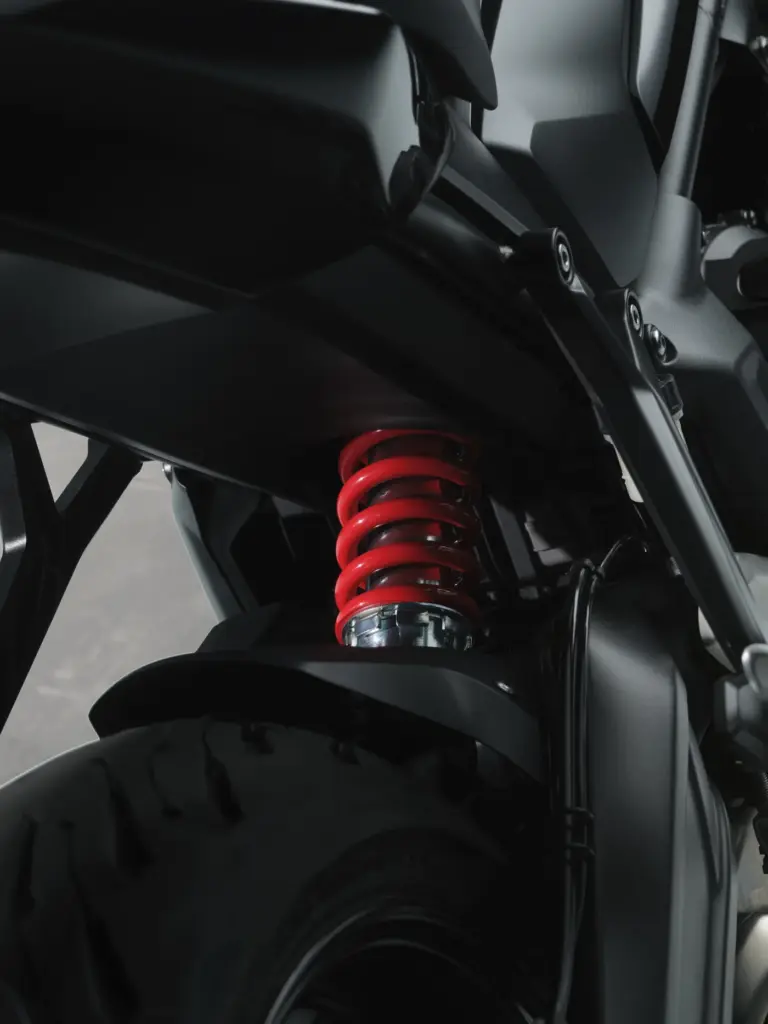
The frame has been revised, the rear shock is a new Showa unit that adds rebound adjustment to the preload adjuster, and the bars are 20 mm wider. The fuel tank has been reshaped with deeper knee cut-outs, and there is a new LED headlight, a split seat and a fresh set of colours. In South Africa, all of this costs R180,000; for context, the Trident arrived here in 2021 at around R150,000.
How it rides: what the road tests say
Every review of the new bike agrees on one thing: the engine is the star. Motorcycle.com’s Troy Siahaan, who rode it in the hills around Alicante, put it simply: the 2026 Trident is “all about that engine”. He found it as tractable as ever low down, happy to pull from a gear or two too high, with much more shove in the middle and an eagerness to rev that reminded him of the old Daytona 675. Visordown’s Adam Child, also on the Spanish launch, rated the engine one of the most entertaining in its class, strong enough to lift the front wheel in the first two gears, and called the bike “a genuine, uncomplicated joy to thrash”.
The quickshifter is the other highlight. Visordown found it smooth, especially with the engine singing near the redline, and found the clutch light too. Steering is quick and light, the wider bars make it easy to turn, and the riding position is natural and neutral, with a narrow tank between your knees.
The chassis is where opinions cool. The fork has no adjustment and is set up soft for everyday riding, so when you ride hard, it dives under braking and the bike can wallow mid-corner. The brakes are carried over from the old bike: Motorcycle.com found the lever feel vague and the cornering ABS cautious, stepping in early, while Visordown wanted more stopping power into tight hairpins. The round dash, unchanged since 2021, works but looks dated next to the big colour screens on some rivals.
BikeSocial, the online magazine of the UK insurer Bennetts, gave the new Trident 4.5 out of 5, singling out the extra performance and the cornering rider aids as a real advantage over many rivals, especially for newer riders.
The picture that emerges is consistent: a brilliant engine in a friendly, easy chassis that is happiest when ridden smoothly. If you want to ride at ten-tenths on a mountain pass, you will find its limits. If you want a fast, characterful bike for real roads, it is very good indeed.
What owners say
Road tests show you a new bike on a perfect day. Owners show you what it’s like on a Tuesday in traffic, three years in. Twenty-eight owners have reviewed the Trident 660 on MCN, the UK’s biggest motorcycle weekly, and they rate it 4.2 out of 5 overall, with the engine and value for money both scoring 4.5.
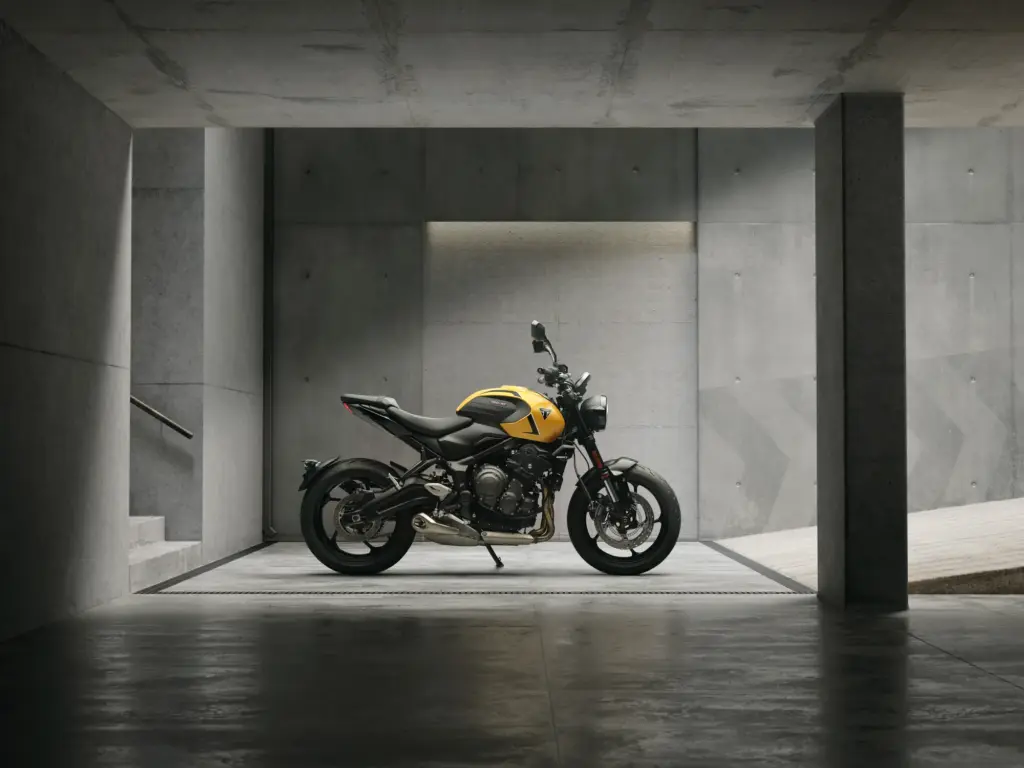
The praise is consistent. Owners love the engine’s character and its pull from low revs, the quality feel, the light handling and the long service interval. A tall, heavy first-time rider says he rides for two to three hours without discomfort. A commuter who uses his on a long daily run says his chain needed no adjustment in two years and 16,000 km.
The complaints are consistent too. Several owners say the brakes need a firm pull. Some find the ride harsh on broken roads, and one who rode bumpy country lanes traded his Trident for a Honda. Others find it tiring above about 110 km/h with no wind protection, call the gearing short, or wish the dash were more modern. A handful report faults, among them a warped rear disc, a failed fuel sender and a gear-pedal problem that upset the quickshifter and made neutral hard to find; most were fixed under warranty. Paint and seat covers that mark easily come up more than once.
Some of the most useful owner reports for South Africans come from India, where Team-BHP’s members ride in heat, heavy traffic and broken roads not unlike ours. One owner in Bangalore found the suspension firm but fine over everyday bumps, needing a softer setting only on very bad patches. His bike ran a little hot in traffic, with warm air reaching his left shin, but he described it as bearable, and it ran cooler after a software update at its first service brought the radiator fan in earlier. On the open road he saw 22 to 24 km per litre, about 300 km from a tank, and he cruised comfortably at 140 km/h, though at that speed the wind blast makes a screen worth having.
Another Team-BHP member, a 22-year-old in Jammu who chose the Trident as his first big bike, rode almost 2,000 km in his first two months. He averaged 15 to 16 km per litre around town and 19 to 20 on the highway, found the Michelin Road 5 tyres confidence-inspiring in the rain, and said a 240 km weekend ride made the Trident feel like a capable tourer. His two complaints: the seat becomes uncomfortable after about two hours, and the pillion seat is small and cramped. That last point comes up in almost every owner report. The Trident is a bike for one, with occasional company.
A South African rider’s weekend
Closer to home, ZA Bikers’ Meredith Moreira spent a weekend on a Trident lent by Triumph Johannesburg while she searched for a bike to suit her. At 1.54 m, seat height decides almost everything for her, and the Trident won her over: by the end of the first day she was comfortable putting her feet down, she found the seat exceptionally comfortable, and she grew more confident with every corner on the roads around the Cradle of Humankind. She called it “the perfect sweet spot”. Her complaints were practical ones: in Johannesburg traffic, the clutch was heavier than she liked and the lever was a long reach for small hands, and the side stand was awkward to find with her foot. She wished for a quickshifter. That bike was the earlier model; the 2026 Trident has the quickshifter as standard and, according to the road tests, a lighter clutch.
Living with a Trident in South Africa
Heat. Every report agrees that the Trident gets warm in slow traffic, and in a Highveld or Durban summer you will feel it. Nobody calls it unbearable, and riding trousers make a real difference. If your daily ride is mostly crawling traffic in summer, it’s worth spending ten minutes in traffic on your test ride.
Our roads. The older Trident had a reputation for a firm ride on bad roads. The 2026 bike is set up softer, and its new shock lets you adjust rebound as well as preload, so set it up for your weight and our potholes rather than leaving it as delivered. The fork isn’t adjustable, so if your roads are truly broken, that is the limit you will feel.
Altitude. Engines without a turbo lose power in thin air. A common rule of thumb is a loss of about 1% for every 100 metres above sea level, and Johannesburg sits at around 1,750 metres, so a bike there makes roughly 17% less power than it would at the coast. On that sum, the new Trident’s 94 hp works out to about 78 hp on the Highveld, close to what the old 80 hp model made at sea level. That’s still plenty for a 195 kg naked, and it’s one more reason the extra power for 2026 matters more inland than it might in Europe.
Distance. With a 14-litre tank and owners reporting anything from about 4.2 to 6.5 litres per 100 km, plan on 200 to 250 km between fuel stops, more if you ride gently. Cruise control helps on long open roads, but there is no wind protection, and some owners start to feel the seat after about two hours. If you plan regular long trips, budget for Triumph’s flyscreen and plan your stops.
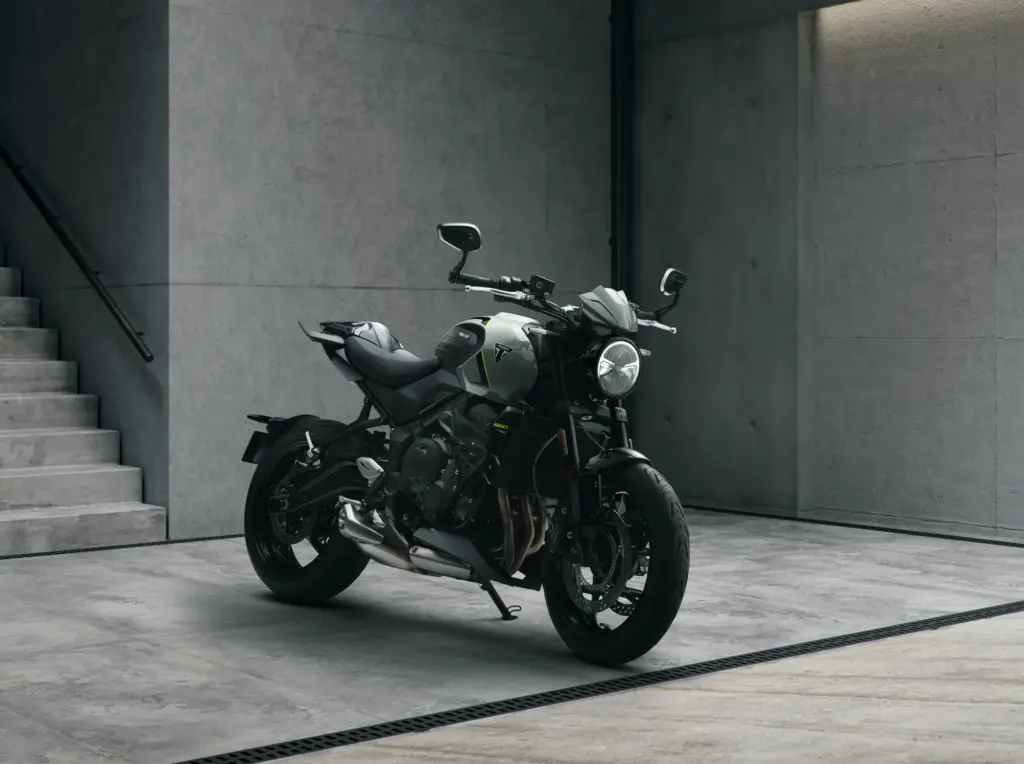
The coast. MCN’s own long-term Trident suffered some corrosion on its exhaust over a UK winter of salted roads, and several owners mention rusting washers. We don’t salt our roads, but sea air at the coast is hard on any bike: wash it, dry it and protect it.
Dealers and running costs. Triumph South Africa lists the Trident as available from Triumph Cape Town, Triumph Centurion and Triumph Johannesburg, so if you live far from those, factor in getting to a service. The good news is that you won’t need to go often: services are every 12 months or 16,000 km, and the warranty runs for two years with no mileage limit. Triumph South Africa’s finance calculator gives an indicative R2,823 a month over 72 months, with a 10% deposit, 12% interest and a 20% balloon payment; your own deal will differ. If you’re buying a used Trident, ask a Triumph dealer to check its VIN for any outstanding recalls.
The rivals you can actually buy here
Overseas, the Trident’s arch-rivals are the Yamaha MT-07, Kawasaki Z650 and Honda CB650R. In South Africa, none of them is in the importers’ line-ups right now: Yamaha’s road range jumps from the MT-03 to the MT-09, Kawasaki lists the retro Z650RS but not the Z650 naked, and Honda’s answer here is the bigger CB750 Hornet. The real choices look like this:
- KTM 790 Duke, R169,999 (recommended retail). A 799 cc parallel twin with similar power and more torque, for about R10,000 less than the Trident.
- Kawasaki Z650RS, from R169,990. A 650 parallel twin with retro styling and less power, for riders who want the classic look.
- Suzuki GSX-8S, R173,800 (recommended retail). A torquey 776 cc parallel twin that UK testers rate highly; the Trident’s closest like-for-like rival here.
- Honda CB750 Hornet, R198,799 (recommended retail). A 755 cc parallel twin with 91 hp (67.5 kW) and 75 Nm, a full-colour TFT screen and a 795 mm seat; the newest bike in this list, and it costs about the same as a Trident 800.
- Triumph Trident 800, from R199,000. For R19,000 more, Triumph’s own showroom offers a bigger triple and the stronger brakes the 660’s testers wished for.
- Kawasaki Z900, R219,995. A step up in size, power and price.
What the Trident offers that none of the twins can is that three-cylinder engine: smooth, flexible and with a sound that makes every ride feel like an occasion. Add standard cornering ABS and traction control, a quickshifter and cruise control, and it is very well equipped for the money.
Should you buy one?
The Trident 660 has always been one of the easiest bikes to recommend to a newer rider, a returning rider or anyone who wants a light, comfortable naked with real character. The 2026 update fixes its one big weakness, a lack of top-end excitement, and on the Highveld that extra power is genuinely welcome.
It isn’t perfect. The fork is basic, the brakes could be stronger, the dash is old, the pillion seat is small, and if your riding is mostly long open roads, you’ll want a screen and regular stops. Experienced riders who plan to ride hard should look at the Trident 800 too, since the gap is only R19,000.
But for most South African riders, most of the time, the Trident 660 hits the brief: a quick, friendly, beautifully finished triple that you’ll enjoy every day, at a price well below what many riders expect a Triumph to cost. Book a test ride, spend a few minutes in traffic, and set up the shock for your weight before you judge it.
How we put this together
We haven’t ridden the 2026 Trident 660 ourselves yet. This article is built on Triumph South Africa’s own figures and the sources below, and the ride impressions are those of the publications and owners named. Triumph South Africa, if you’re reading: we’d love to borrow one.
Sources
- Triumph South Africa, Trident 660 and Trident 800 pages, prices and specifications (October 2026)
- Triumph Motorcycles, “Triumph introduces major 2026 updates to Trident 660 and Tiger Sport 660” (January 2026)
- Motorcycle.com, “2026 Triumph Trident 660 Review: First Ride“, Troy Siahaan (March 2026)
- Visordown, “Triumph Trident 660 (2026) review“, Adam Child
- BikeSocial (Bennetts), “Triumph Trident 660 (2026) review“, Ben Purvis (January 2026)
- MCN, “Triumph Trident 660 (2021-on) review” and its 28 owners’ reviews
- Team-BHP, “Triumph Trident 660: Purchase & ownership experience” (September 2021) and “Bought a Triumph Trident 660: Purchase decision & initial impressions” (October 2024)
- ZA Bikers, “Part 1: Searching For The Perfect Fit, Triumph Trident 660“, Meredith Moreira (March 2024), and “First Ride: The 2021 Triumph Trident 660” (March 2021)
- Rival prices (October 2026): Kawasaki South Africa (Z650RS, Z900), Honda South Africa (CB750 Hornet) and the ZA Bikers buyers’ guide (KTM 790 Duke, Suzuki GSX-8S)