
Share your love
From a R52,000 KLR650 to Turkana Gear: A Life of Motorcycles, Travel and Making Stuff That Lasts
Michnus Olivier of Turkana Gear on how a R52,000 KLR650, years of riding through Africa and the Americas and one terrifying container of luggage became a South African motorcycle luggage brand.
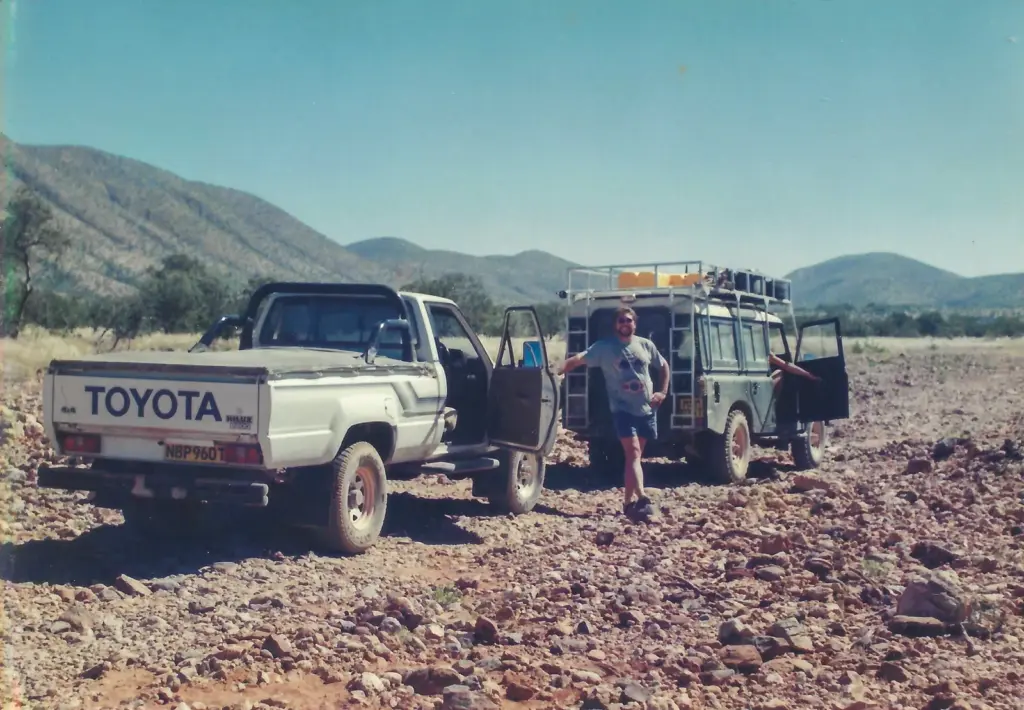
Way back in ‘94, two young South Africans with blissful ignorance loaded up a single-cab Toyota 4×4 and headed into Namibia for a month. We could barely afford the Toyota, never mind all the fancy overlanding equipment people seem to think you need nowadays. My sister and brother-in-law joined us in their old Land Rover Defender, and off we went with some camping gear, very little money and a month to explore.
That trip was a gateway drug, and the habit never really went away. Life, of course, had other plans. Jobs, responsibilities, bills and all the usual nonsense that comes with pretending to be a responsible adult.
Fast forward to 2003. I was working as a financial adviser in East London when I walked into a Kawasaki dealership and spotted a brand-new KLR650 for R52,000. I’d been riding since my school days, but something about that KLR made perfect sense. Why was I sitting in a car when I could be riding a motorcycle to work? More importantly, it was an affordable way to get back into biking.
That was the beginning of the end of my sensible life. Not long afterwards, my better half, Elsebie, decided she wanted her own motorcycle. She wasn’t interested in being a pillion, thank goodness. She wanted to ride herself. So she learnt, fell over, picked herself up, swore, cursed and carried on. I’ve always admired that about her. Learning to ride an adventure bike isn’t the easiest hobby to take up, but she stuck with it.
Before long, commuting became weekend trips, then longer adventures, and eventually we found ourselves riding anything dirt all over South Africa.
One adventure took us into the “Doodsakker”, an isolated and unforgiving stretch of coastline in Angola. We were amongst the first to attempt it on motorcycles without support, and the whole thing came rather close to becoming a monumental cock-up.
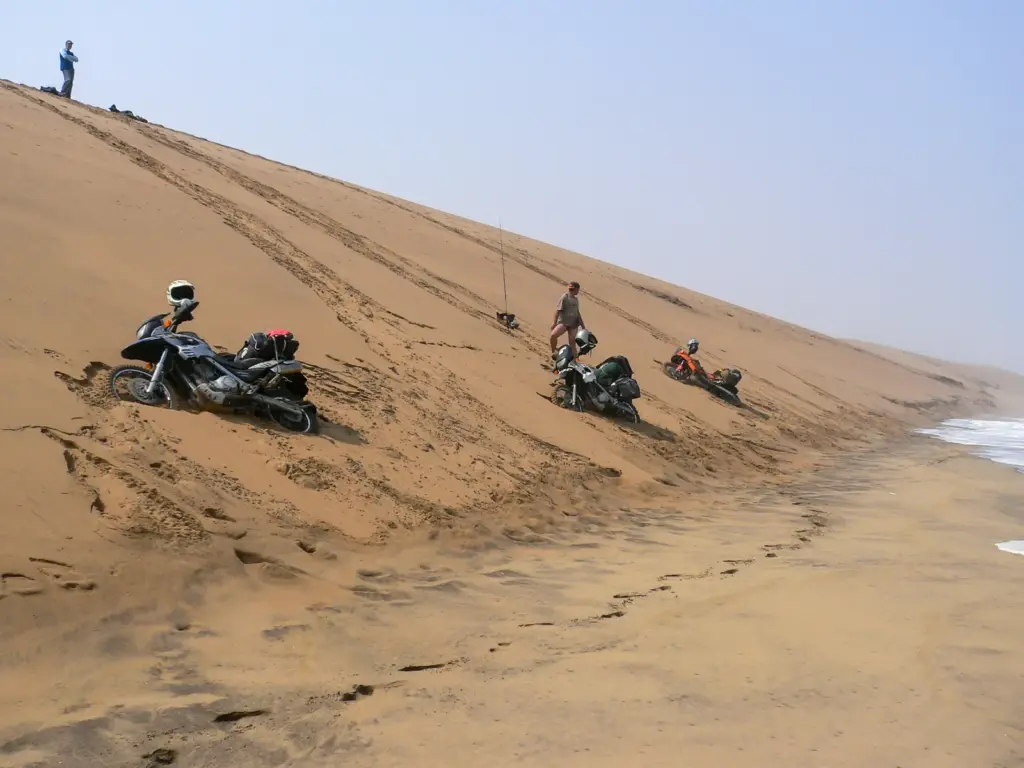
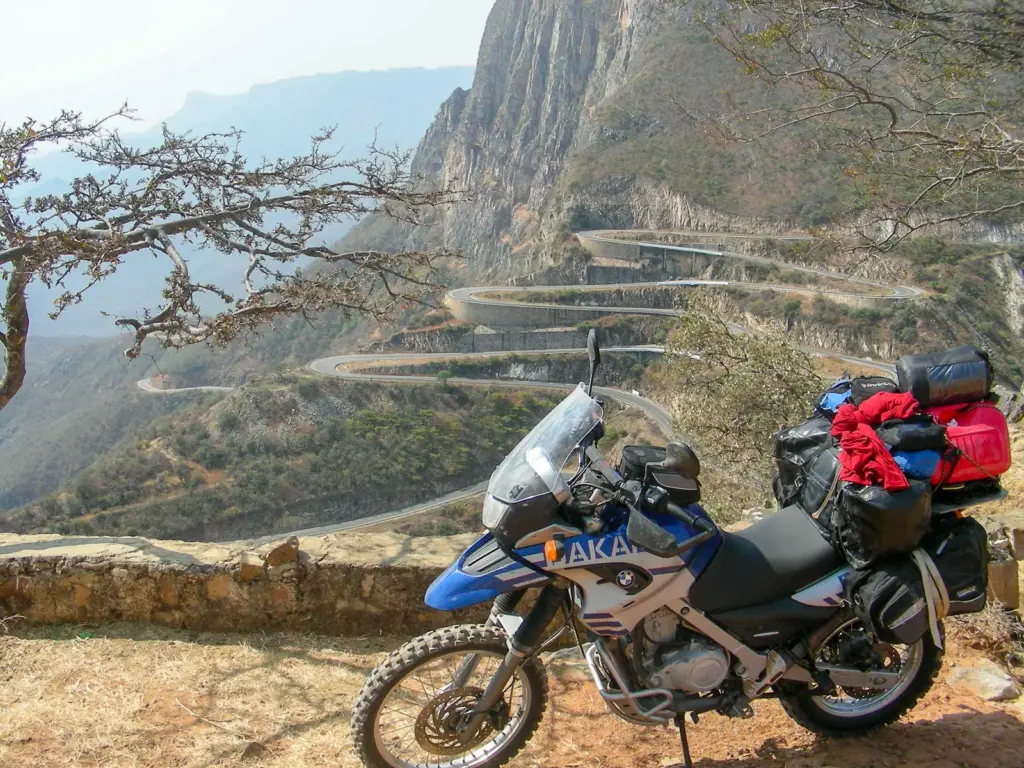
Those trips taught us something important. When you’re hundreds of kilometres from help, your motorcycle and equipment had better work.
The beginning of ATG
The more we travelled, the more frustrated I became with motorcycle luggage. Much of what was available came from Europe, cost a fortune and wasn’t suited to the punishment African riding dishes out. Some American brands made decent gear, but importing it was expensive, and those products didn’t always suit our needs either.
South African adventure riders can be as rough as a bear’s arse on their equipment. Between corrugations, dust, heat, rain, relentless African UV, overloaded bikes and the inevitable falls, luggage takes a proper beating.
I started looking for someone in South Africa who could manufacture what I wanted but got nowhere.
South African adventure riders can be as rough as a bear’s arse on their equipment.
Michnus Olivier
Then, during a business trip to China, I visited a few luggage factories. By pure luck, I ended up at one producing bags for some of the biggest names in motorcycle luggage.
After plenty of negotiations, the owner agreed to work with my tiny brand. We couldn’t order container loads every month, but we could offer smaller, more frequent orders with different designs and colours.
Friends thought I’d lost my collective Neanderthal mind. Why would anyone try to compete with established international brands like Touratech and SW-Motech?
They had a point. I still remember our first 20-foot container arriving in South Africa. It contained roughly R750,000 worth of products, an enormous amount of money for us at the time. We were scared shitless. If it didn’t work, we’d be giving waterproof bags to friends and family as birthday and Christmas presents for the rest of our lives.
What made the difference wasn’t the big dealerships. Most weren’t interested in an unknown South African brand. It was the smaller independent shops that gave us a chance.
People like Pauli at GPS4Africa, still working from his garage in Pretoria; Chris and Rinette at Flying Brick in Cape Town; Nelus and Andrea from Safari 4×4 in Bloemfontein; and other small operators who believed in what we were doing.
I’ve never forgotten that. To this day, I have a soft spot for independent dealers. They’ve got skin in the game, know their products and genuinely care about their customers.
Then came a rather unpleasant lesson in manufacturing.
I’d developed a backpack design and sent it to our Chinese factory. Somewhere along the line, that design ended up being produced for another well-known Italian brand, and eventually I saw the bag in Cape Town.
That was enough. I pulled our production from China.
As luck would have it, I found a South African manufacturer making backpacks. We started working together, and that relationship changed everything. It wasn’t easy. We had to develop fabrics and construction methods specifically suited to motorcycle soft luggage.
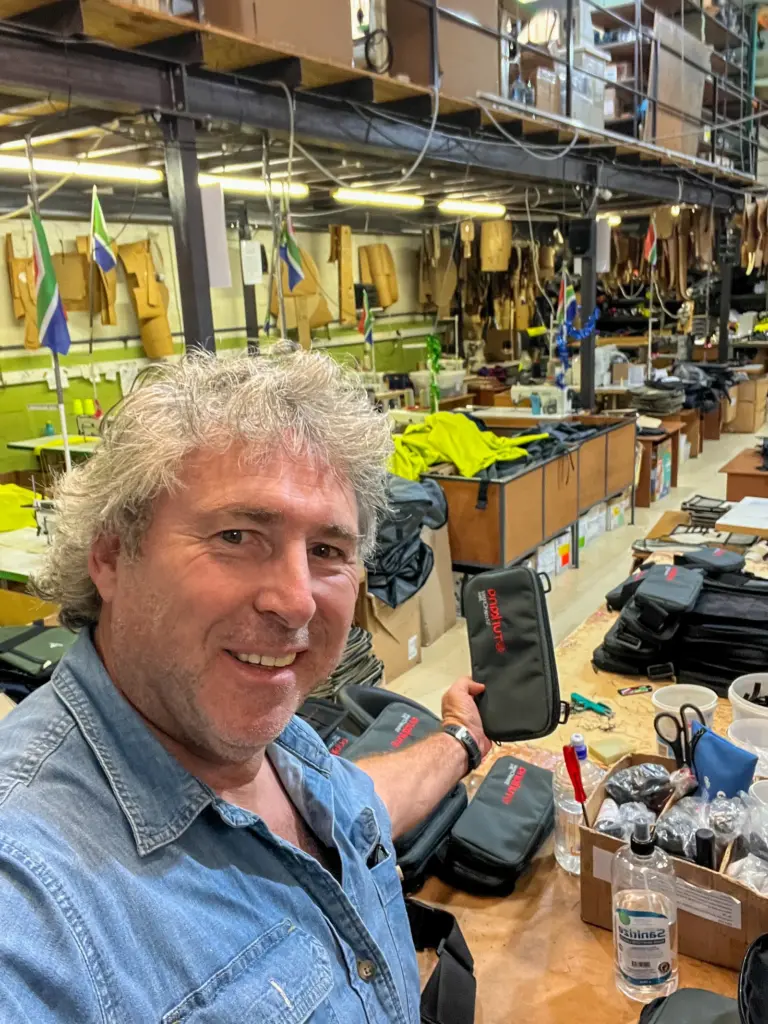
Our brand was ATG, All Terrain Gear. We made motorcycle luggage, camping equipment, stoves, stretchers and all sorts of outdoor products, all our own designs. But motorcycle luggage became my real fascination.
Working with a local manufacturer gave me the freedom to experiment with fabrics, webbing, construction techniques and sourcing. And believe me, making motorcycle luggage that survives years of abuse is considerably more complicated than stitching together your average backpack.
The gear gets dragged through dirt, baked in the African sun, soaked in rain, shaken to pieces on corrugated roads and occasionally used as a crash barrier. UV exposure alone can destroy inferior materials surprisingly quickly.
It must survive all that for years, not just look pretty in a showroom. And somehow, it must fit a wide variety of motorcycles and accommodate different riders’ needs.
It’s something of a dark art.
Six months that got slightly out of hand
In 2010, Elsebie and I left South Africa on what was supposed to be a six-month motorcycle adventure through Africa towards Europe.
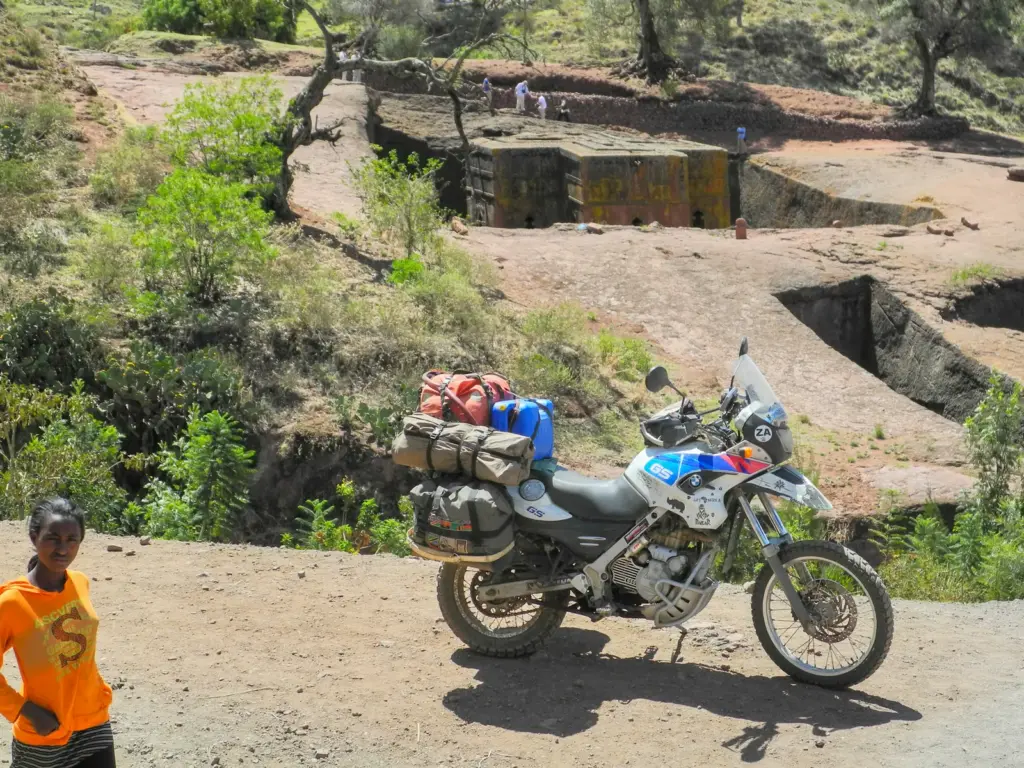
We cashed in investments, organised the business and staff to survive without us, locked the house, left our poor dogs with our ATG office manager, packed the bikes and headed off. Six months later, we returned home, but the gateway drug had become a rather serious addiction. We wanted considerably more time on the road.
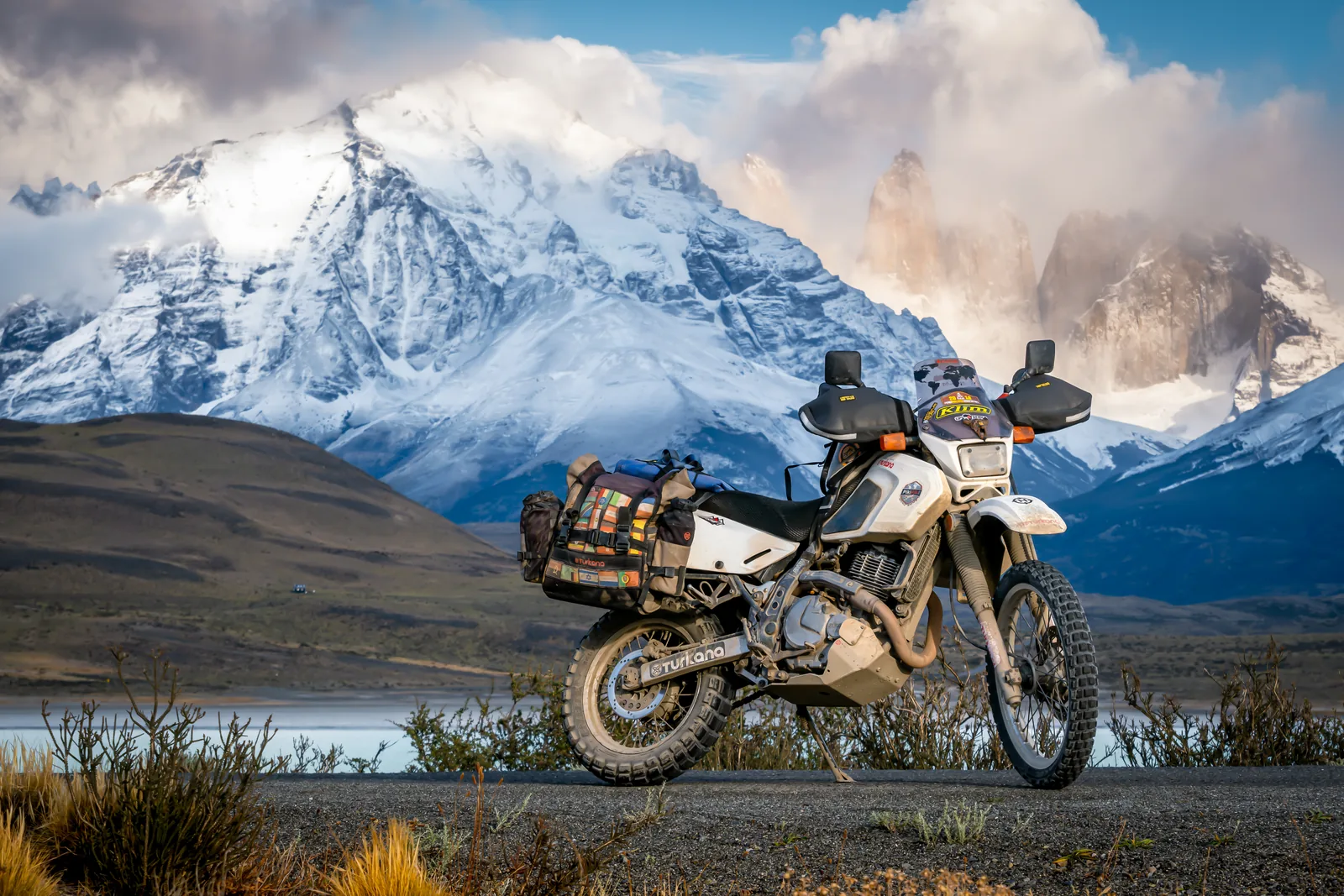
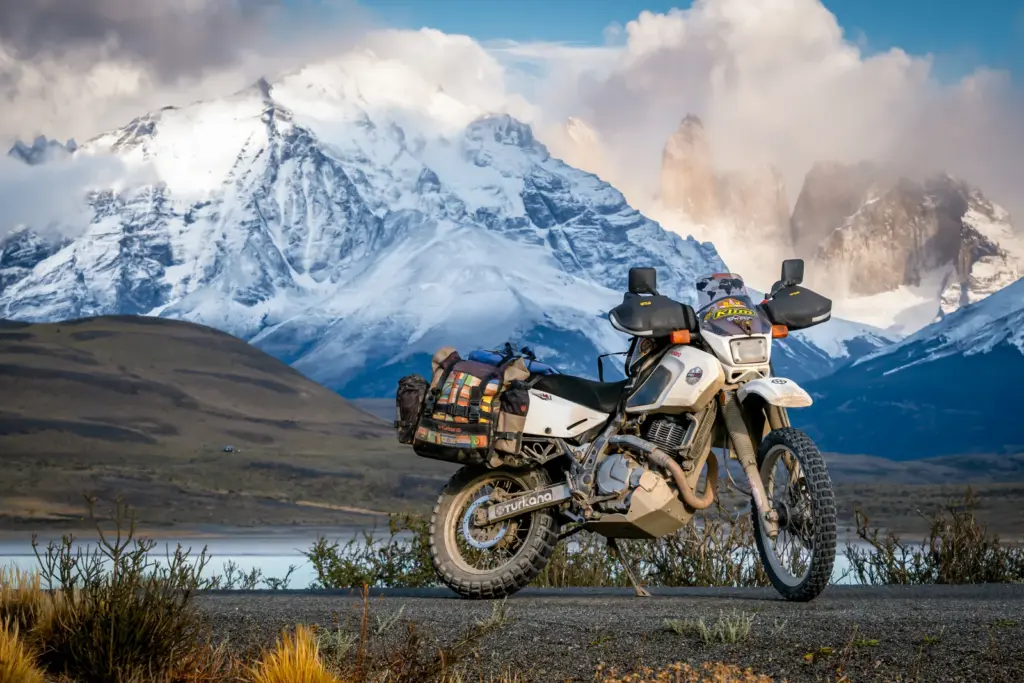
In 2015, we received an offer to buy ATG that was simply too good to turn down. We sold the business, bought two Suzuki DR650s in Texas and set off to explore the Americas.
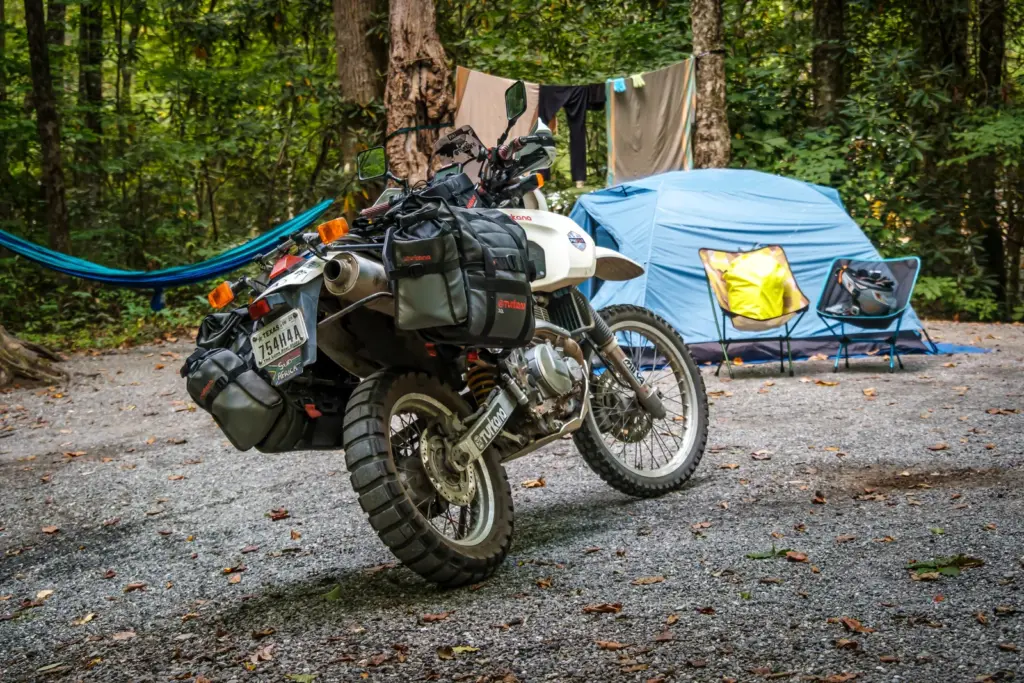
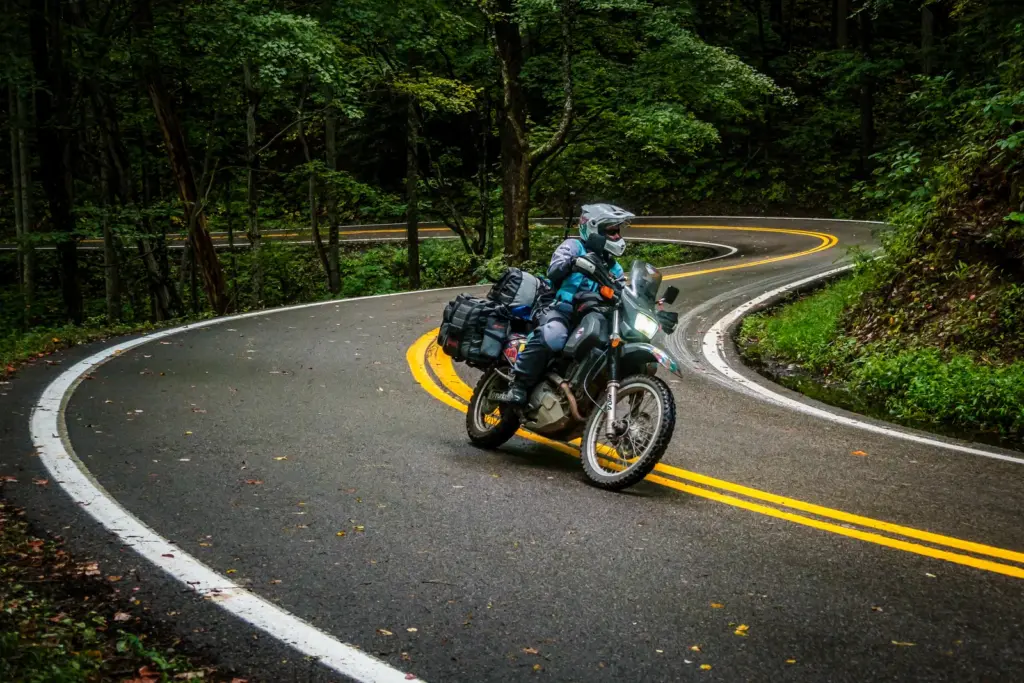
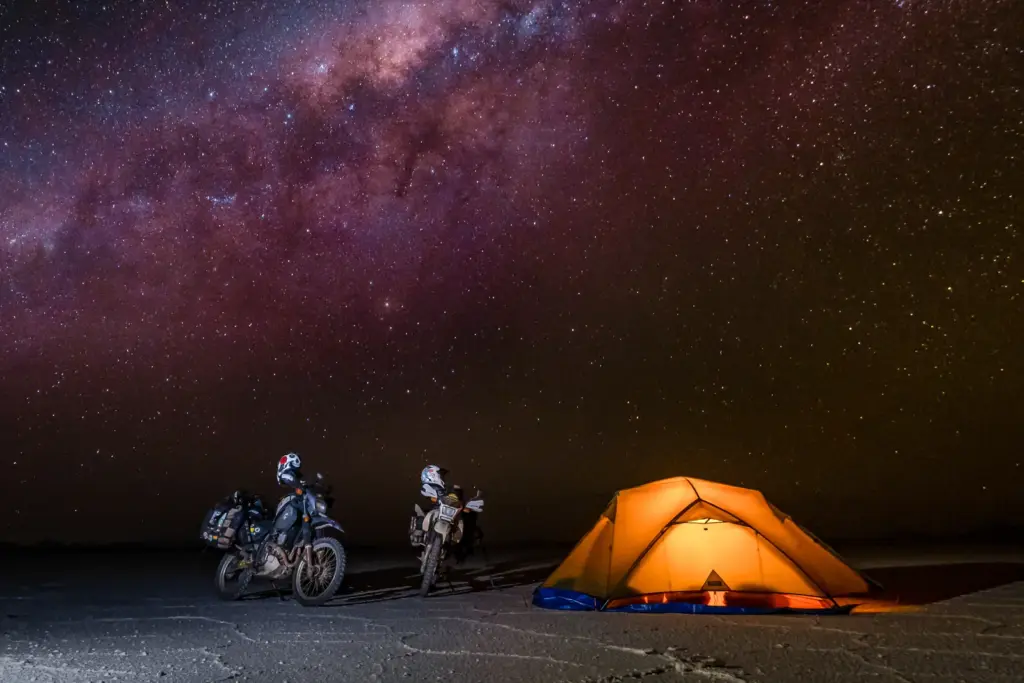
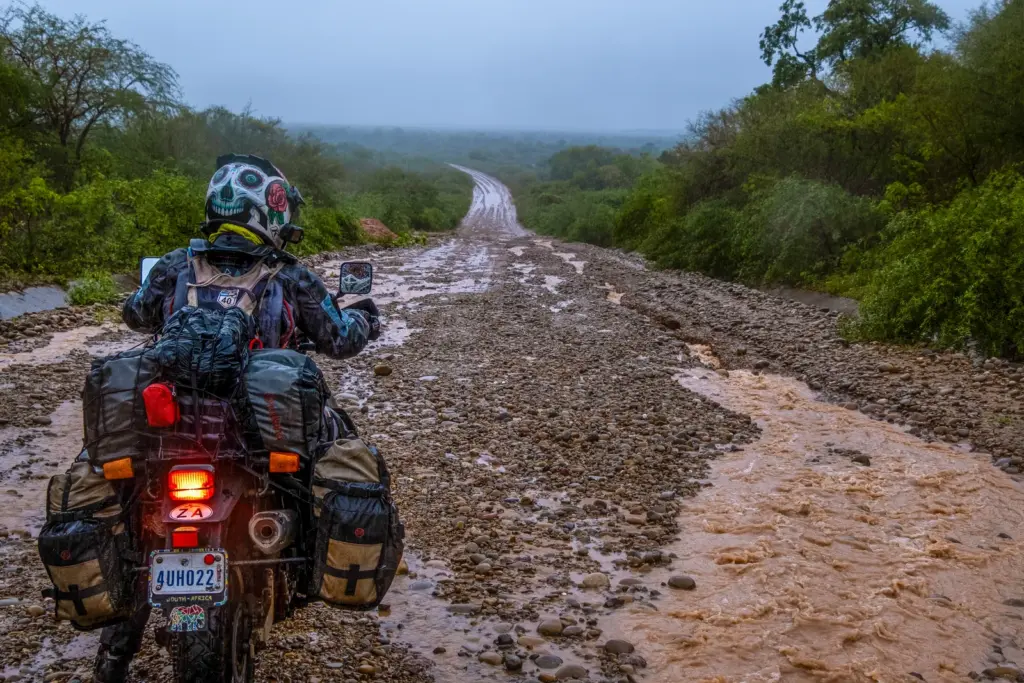
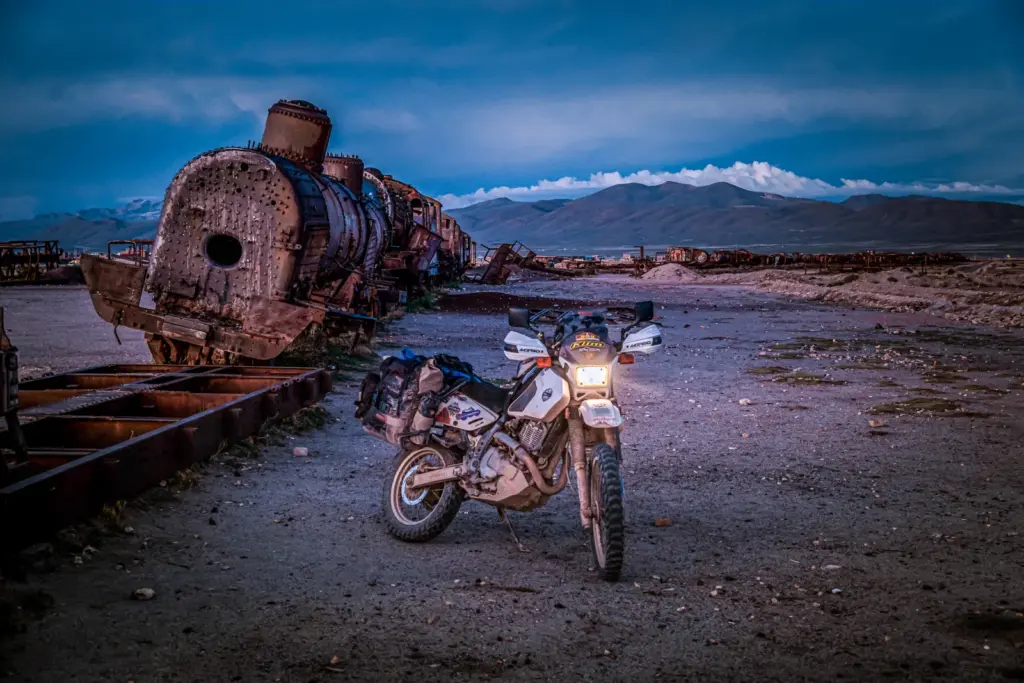
In Baja Mexico, we crossed paths with two Dutch travellers, Peter and Leonie. She’s a lawyer, he’s an engineer, and they were riding around the world on little Honda CRF230s. They’d already covered an astonishing 160,000 kilometres.
We got along like a house on fire. Eventually, they suggested starting another motorcycle luggage business together.
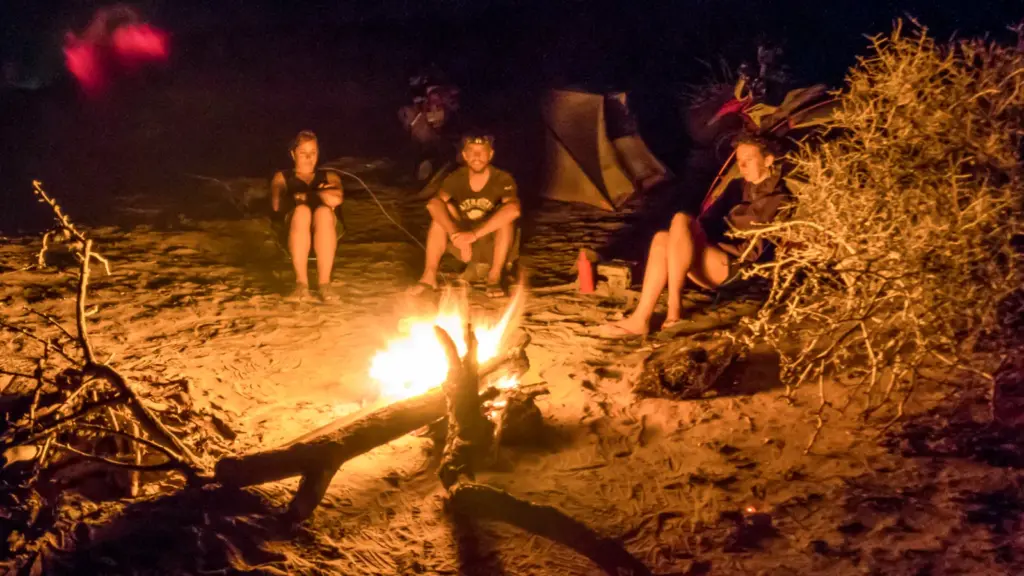
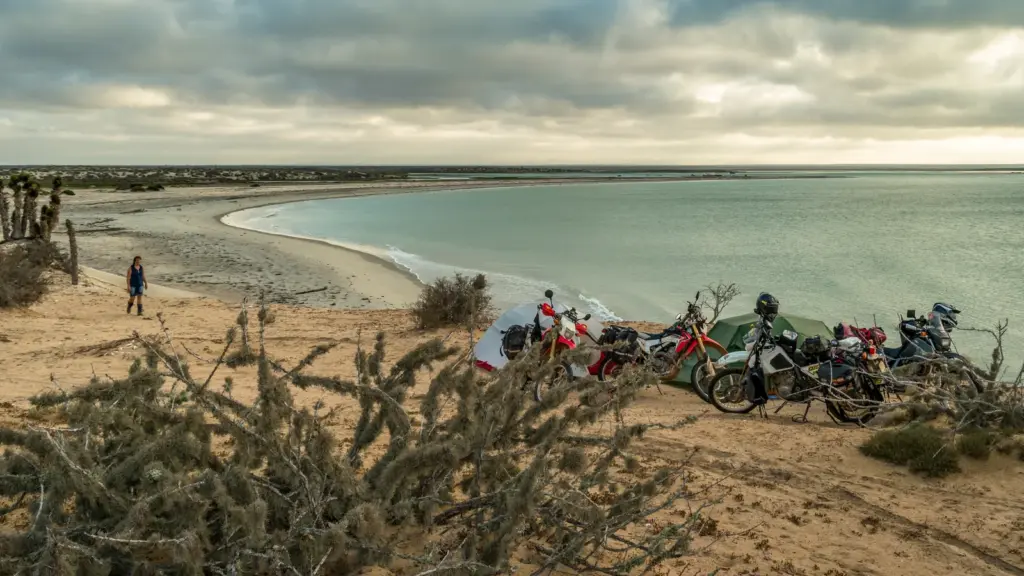
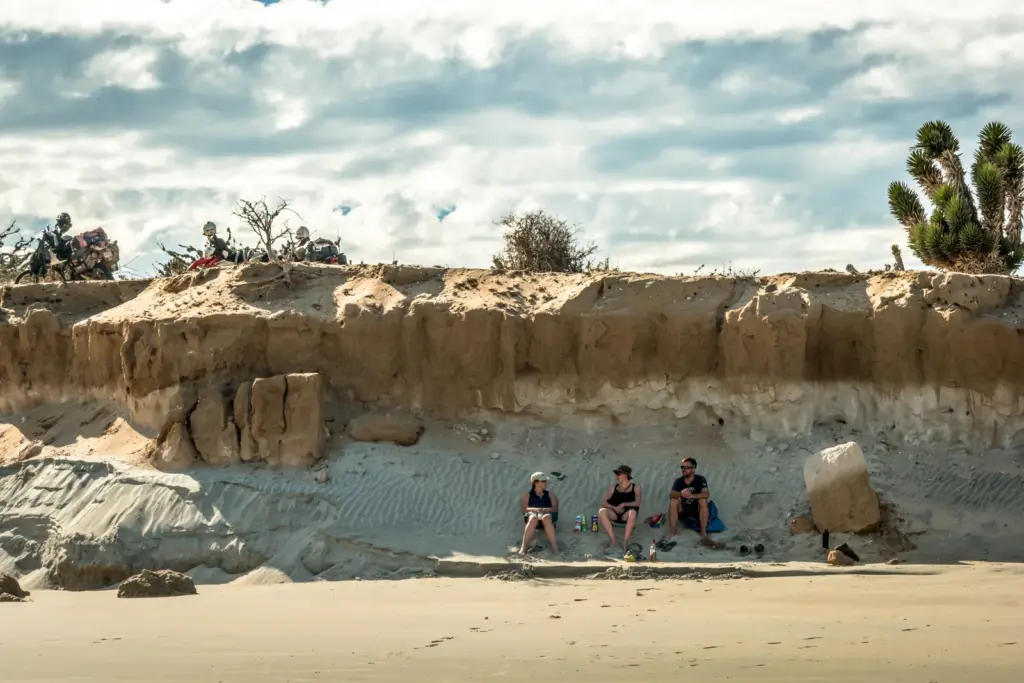
My first reaction was something along the lines of, “Absofuckinglutely not!” We’d just sold a business to enjoy travelling. Why on earth would we start another one? Unless you’ve done it, you have no idea how much pain, mind-numbing stress, commitment and sheer bloody hard work it takes to build a business, never mind establish a brand.
But the conversations continued. We’d seen what was happening in the adventure motorcycle world, particularly in America, and realised there was room for genuinely good-quality luggage that didn’t need to shout about itself.
Something practical, durable, repairable and built for people who actually use their motorcycles to travel.
If you know, you know. And that’s how Turkana Gear came about.
Why Turkana?
Lake Turkana lies in a remote region of northern Kenya, near Ethiopia. It’s one of those extraordinary places that gets under your skin.
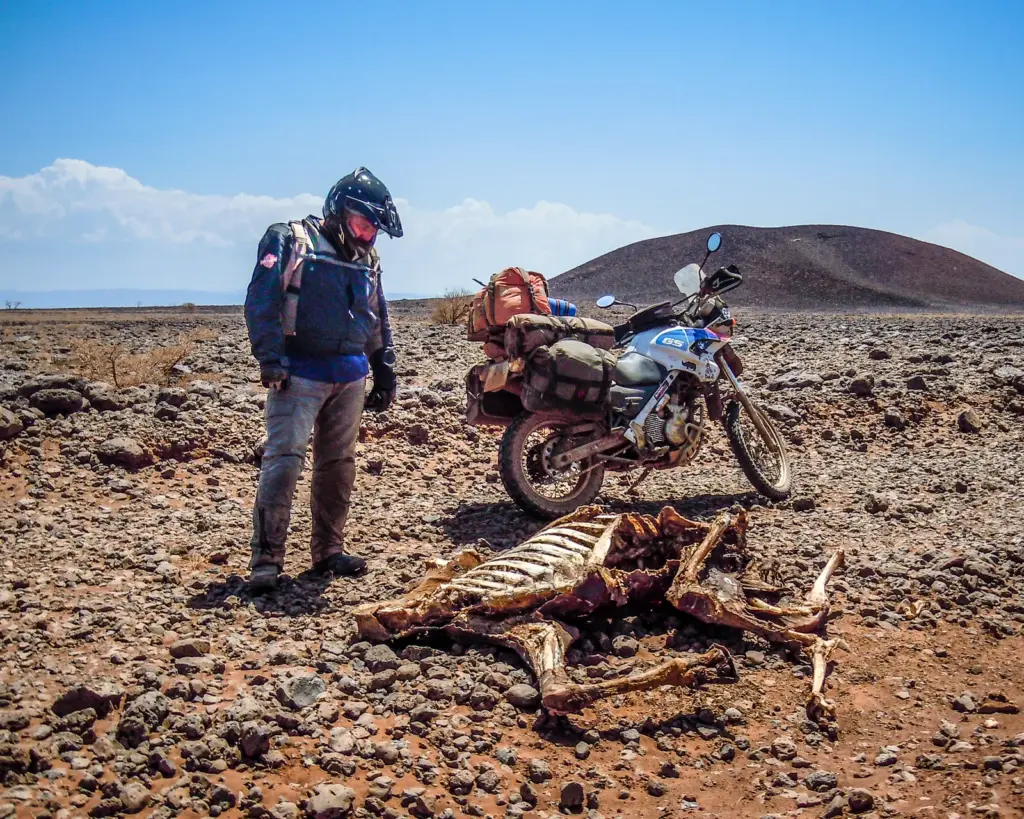
Rocky ground near Lake Turkana, Kenya. Photo: PikiPiki Overland 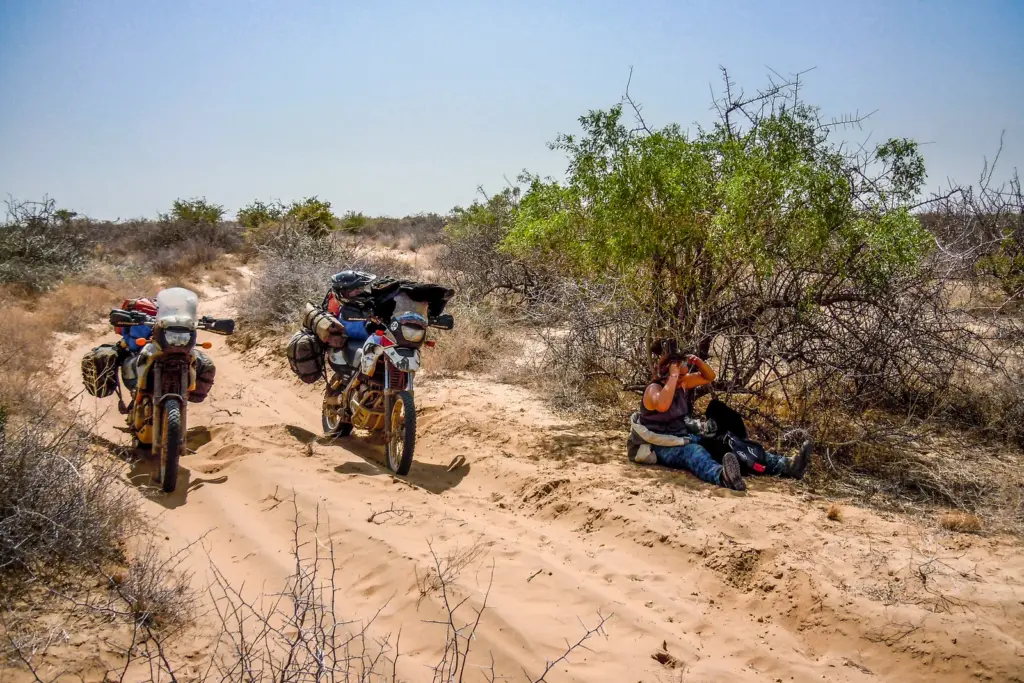
A break in the shade on the Lake Turkana route. Photo: PikiPiki Overland 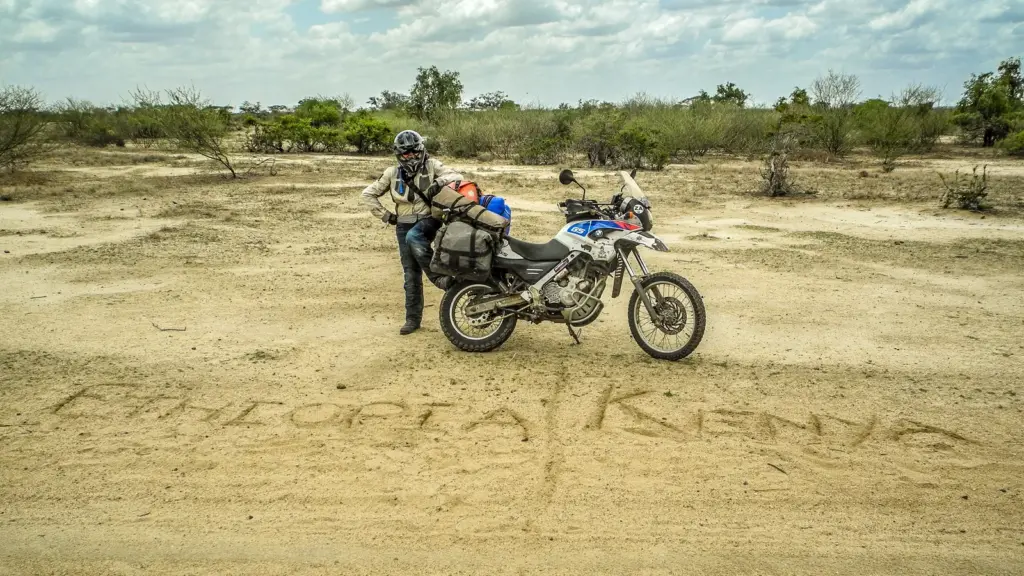
Open sand near Lake Turkana. Photo: PikiPiki Overland 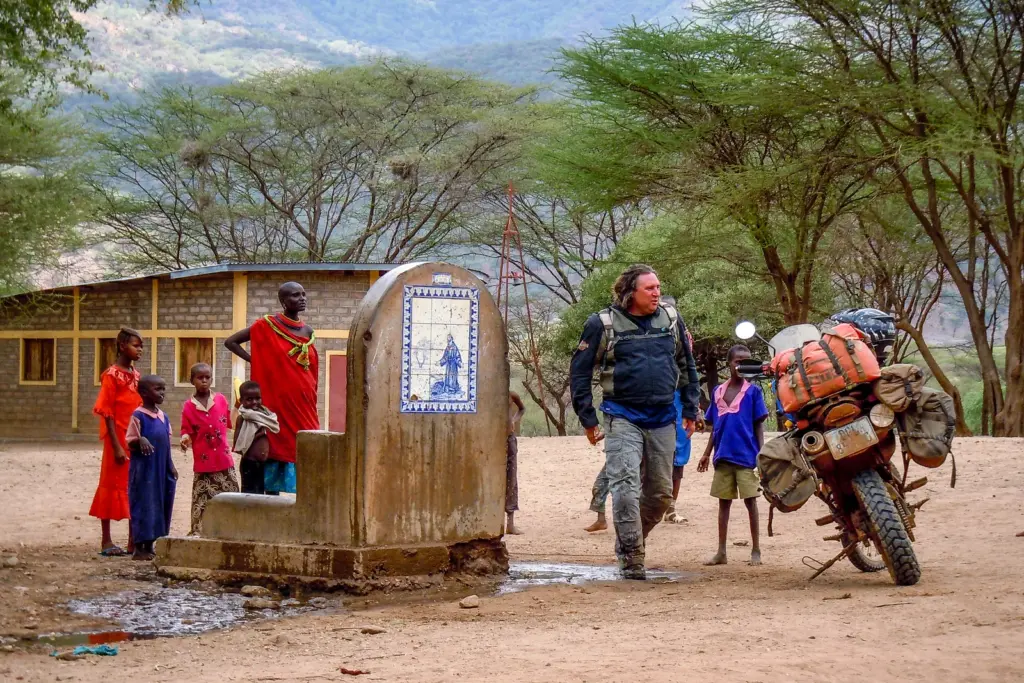
A village stop on the way to Lake Turkana. Photo: PikiPiki Overland 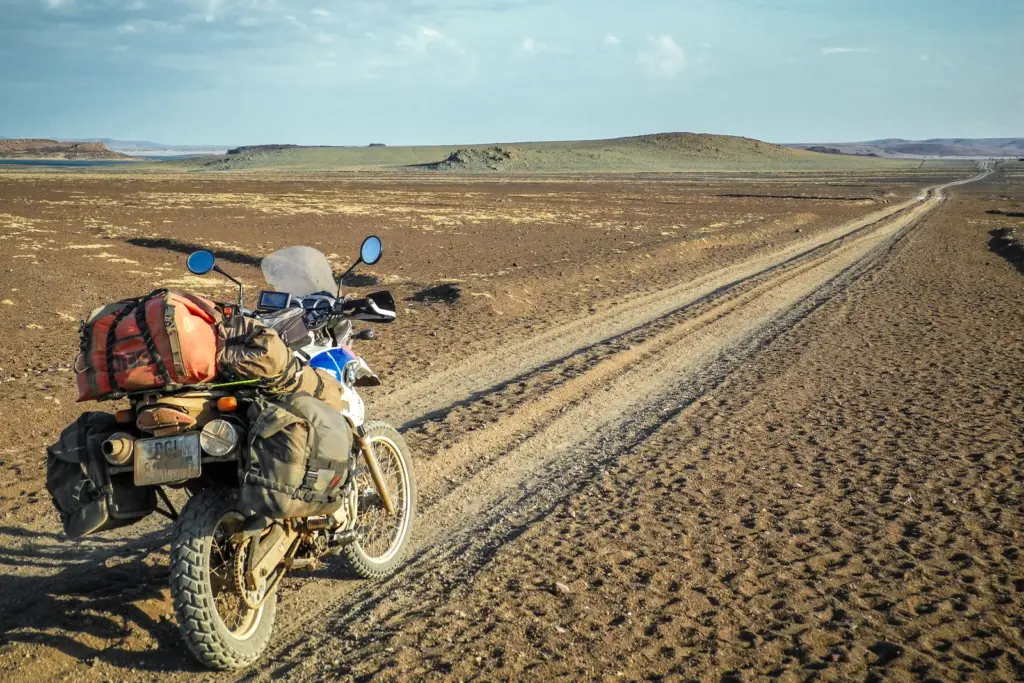
A long track near Lake Turkana. Photo: PikiPiki Overland 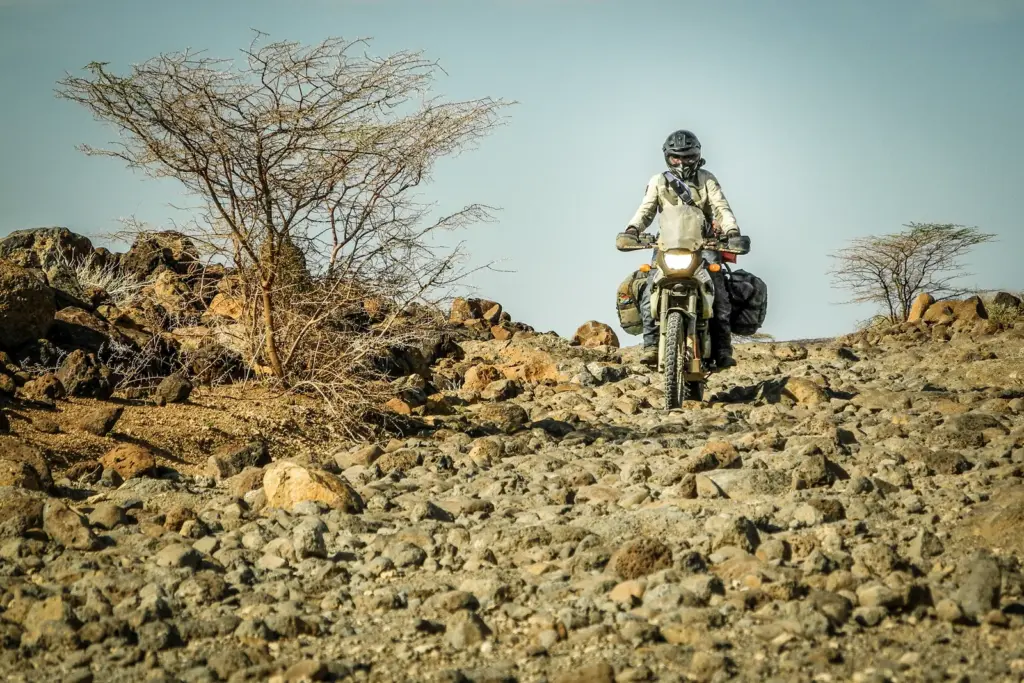
Volcanic rock on the Lake Turkana route. Photo: PikiPiki Overland
Getting there by motorcycle is no Sunday afternoon outing. Some routes take you through hundreds of kilometres of isolation where you’re entirely responsible for yourself. If the bike breaks, you’re in trouble. If you get hurt, you’re in even bigger trouble.
Whether it’s crossing Africa or exploring a dirt road fifty kilometres from home, that experience is theirs.
Michnus Olivier
At the time, we knew very few motorcyclists who’d travelled those routes. Elsebie and Leonie were amongst the handful of women we personally knew who’d done it.
The name Turkana meant something to all four of us. And that’s where our philosophy, Be a Pioneer, comes from.
Let’s face it, most of the world has already been explored. There aren’t many places left where someone hasn’t planted a flag, taken a photograph or posted a bloody selfie.
But that doesn’t matter. When someone gets on a motorcycle and heads somewhere they’ve never been, they’re discovering it for themselves. Whether it’s crossing Africa or exploring a dirt road fifty kilometres from home, that experience is theirs.
In their own way, they’re pioneers.
Making stuff in South Africa
When we started Turkana, we were adamant about manufacturing as much as possible in South Africa, including the materials and components that go into our products.
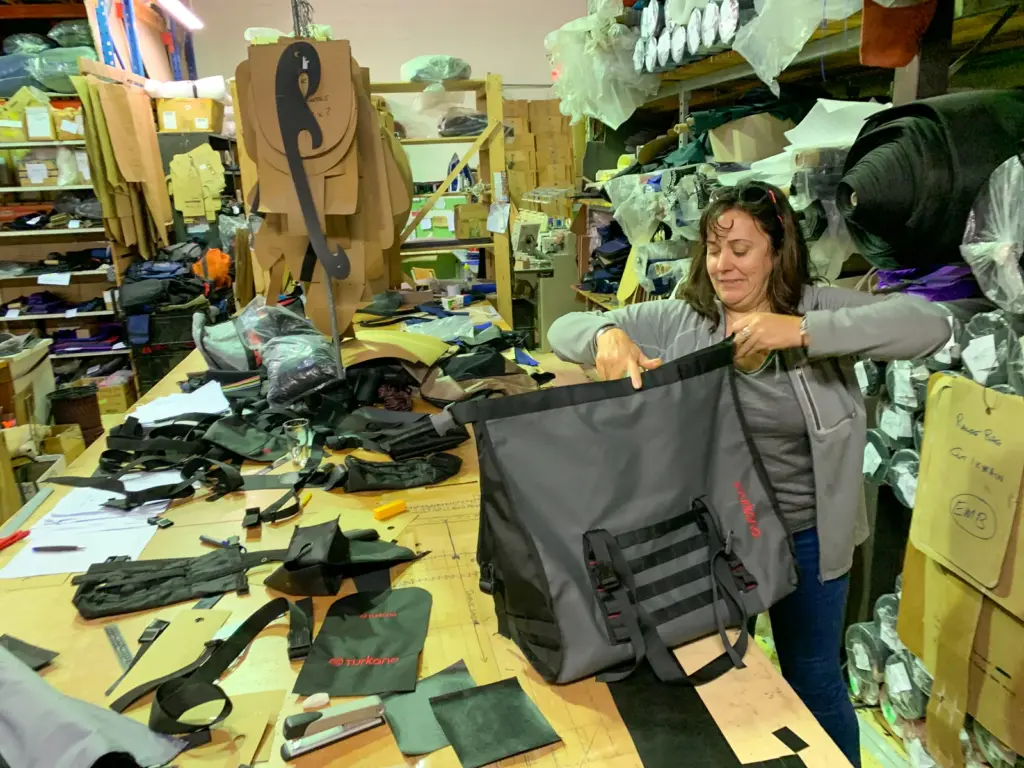
And I don’t just mean importing components and stitching a label onto something locally. We’ve spent years working with South African manufacturers to develop fabrics, webbing, fittings and manufacturing processes. It’s taken time, money, mistakes and patience, but it’s something we genuinely believe in.
Every bag supports a network of local businesses, from raw material suppliers to the people cutting, sewing and assembling the finished products.
Unfortunately, keeping everything local is becoming increasingly difficult. We’re considering manufacturing certain specialist products in Vietnam, working with a good friend who has an excellent factory there. It’s not our first choice, but manufacturing comes with realities you can’t simply wish away.
We’ll continue doing everything reasonably possible to keep production in South Africa. We’ve seen first-hand what manufacturing means to the people and small businesses involved.
Another big part of our philosophy is building a community around Turkana, but not one that’s simply about selling luggage. We put considerable effort into bringing together people who share our love for motorcycles, travel, camping and the outdoors. Because ultimately, it’s the people, friendships and stories that make this whole adventure worthwhile.
Still making plans we probably shouldn’t.
Turkana has grown steadily, with Peter and Leonie looking after Europe and the UK, and our friends Piet and René helping establish the brand in Canada.
Now Elsebie and I find ourselves in Texas, plotting another slightly evil, ambitious scheme for world domination.
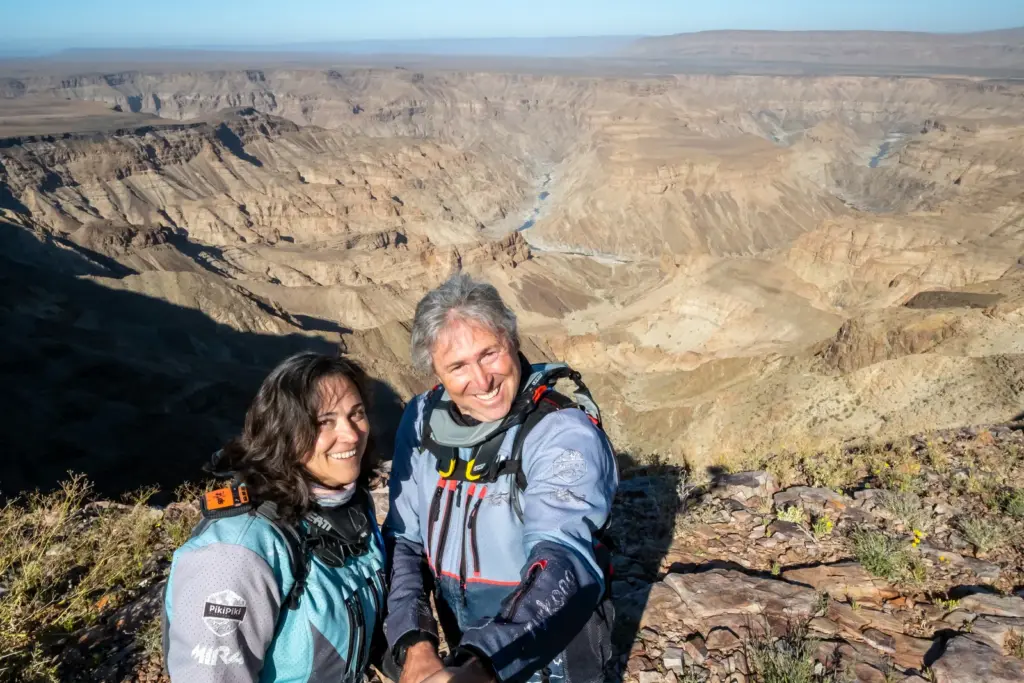
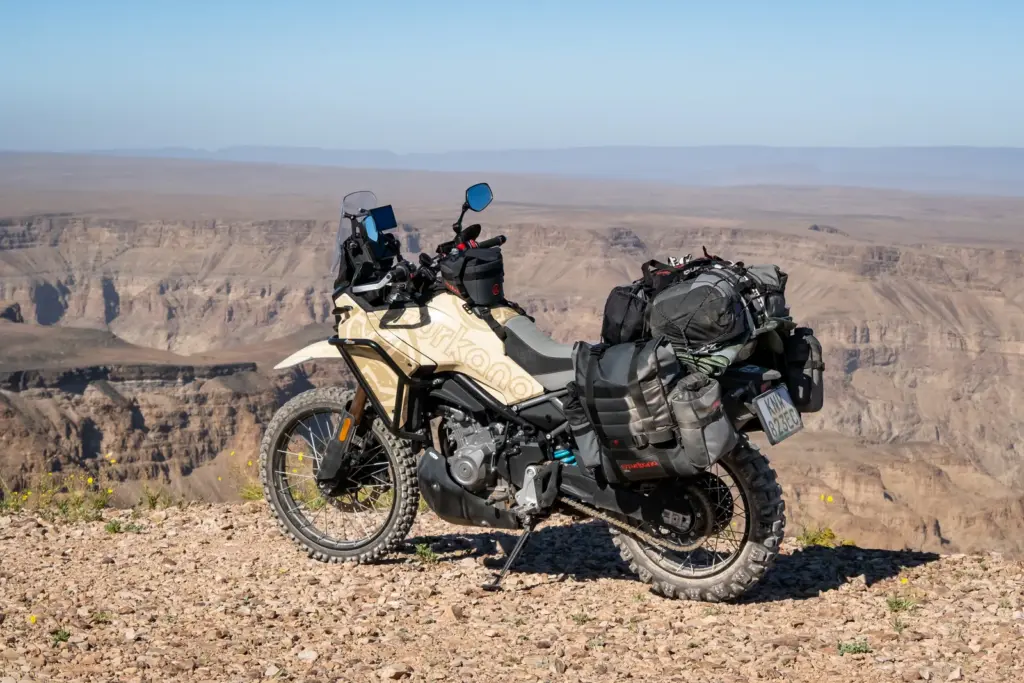
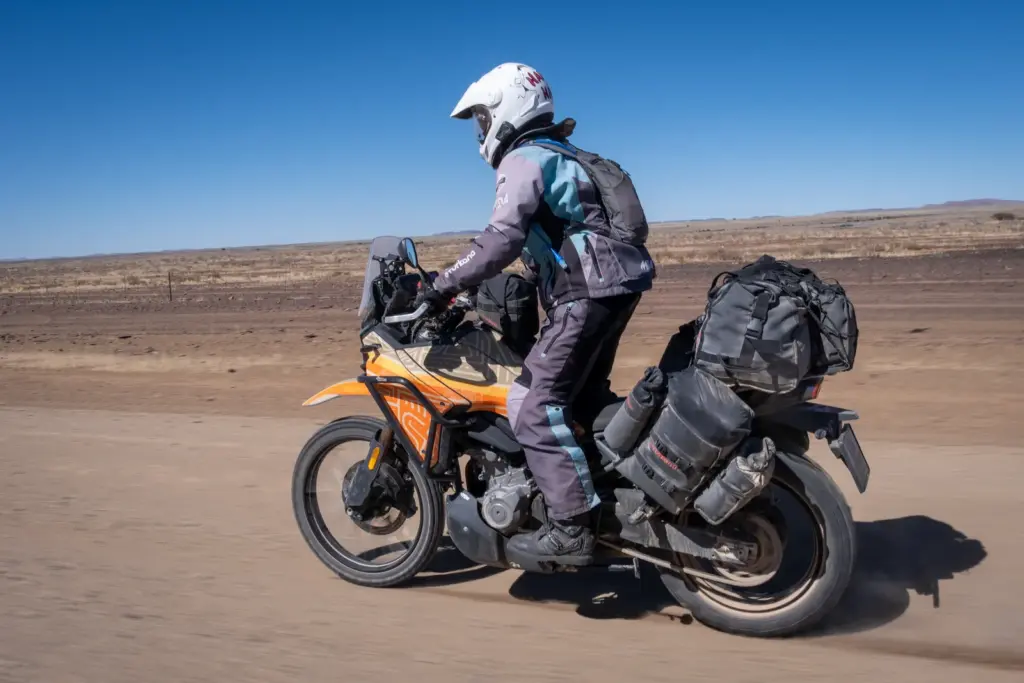
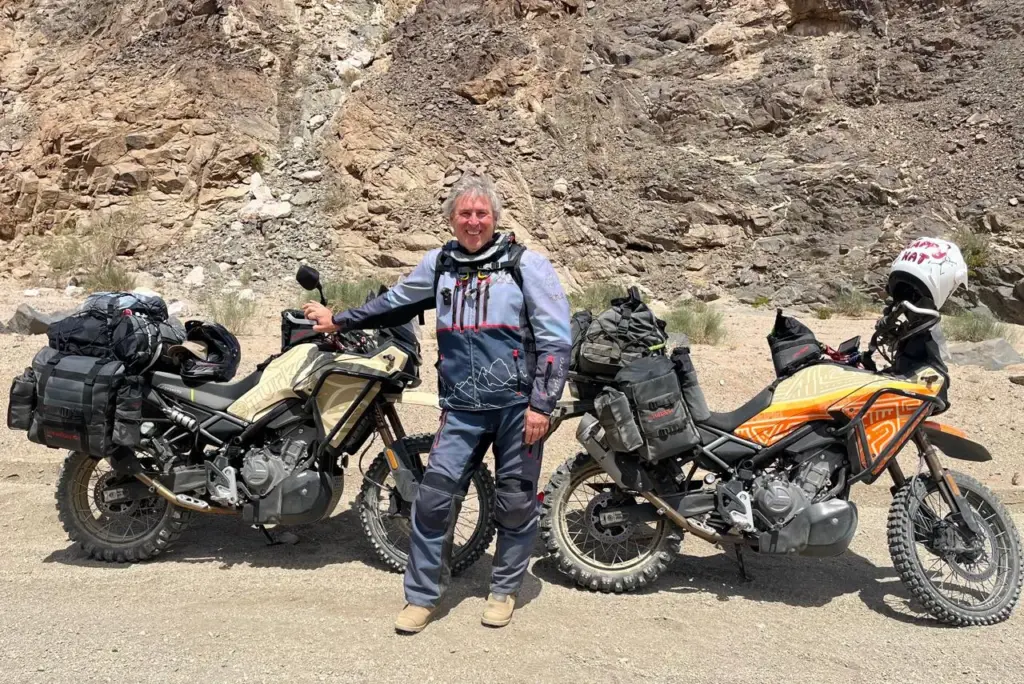
Over the next five years, we’re going to see if we can establish Turkana in the United States. There’s no grand scheme to become the biggest motorcycle luggage company in the world.
We don’t particularly want to be the biggest. We’d rather make good-quality gear people can use for years, repair when necessary and take on adventures without worrying whether it’s going to fall apart.
We make luggage for people we enjoy spending time with. Travellers, campers, overlanders and motorcyclists who’d rather spend their money going somewhere interesting than replacing equipment every few years.
Looking back, it’s been quite a journey from that old Toyota in Namibia in ‘94, the Kawasaki KLR in East London and a terrifying container full of luggage.
And somehow, after all these years, we’re still travelling, learning, designing things and regularly doing dodgy stuff that has our friends recommending professional mental help.
But that’s probably what happens when you spend most of your adult life wondering what’s around the next corner. The best part? There’s still so much to see, so much to do and countless epic memories to be made.
Admittedly, the butterflies in the stomach sometimes feel more like a swarm of angry hornets, especially when we’re taking on another big gamble.
But I wouldn’t have it any other way.
Follow Michnus and Turkana Gear
PikiPiki Overland: pikipikioverland.com
Turkana Gear: turkanagear.com